Knowledge center · Woods in antique furniture
Knowledge · Wood
Woods in antique furniture
The living tree, the end grain, and the figure — so you can see what your furniture is made of.
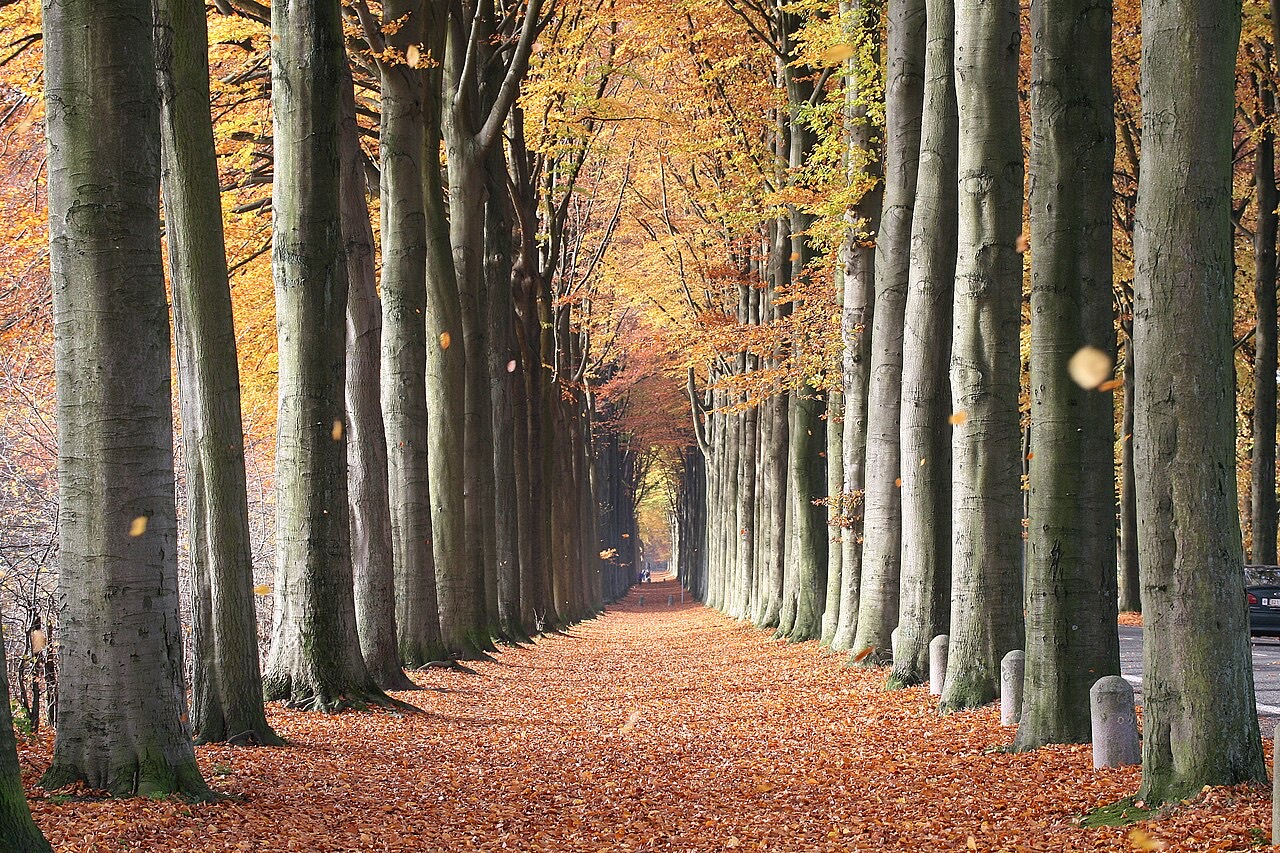
European beech
A pale, hard, even wood that excels at steam bending. Very common in chairs, bent parts, frames, and European working furniture.
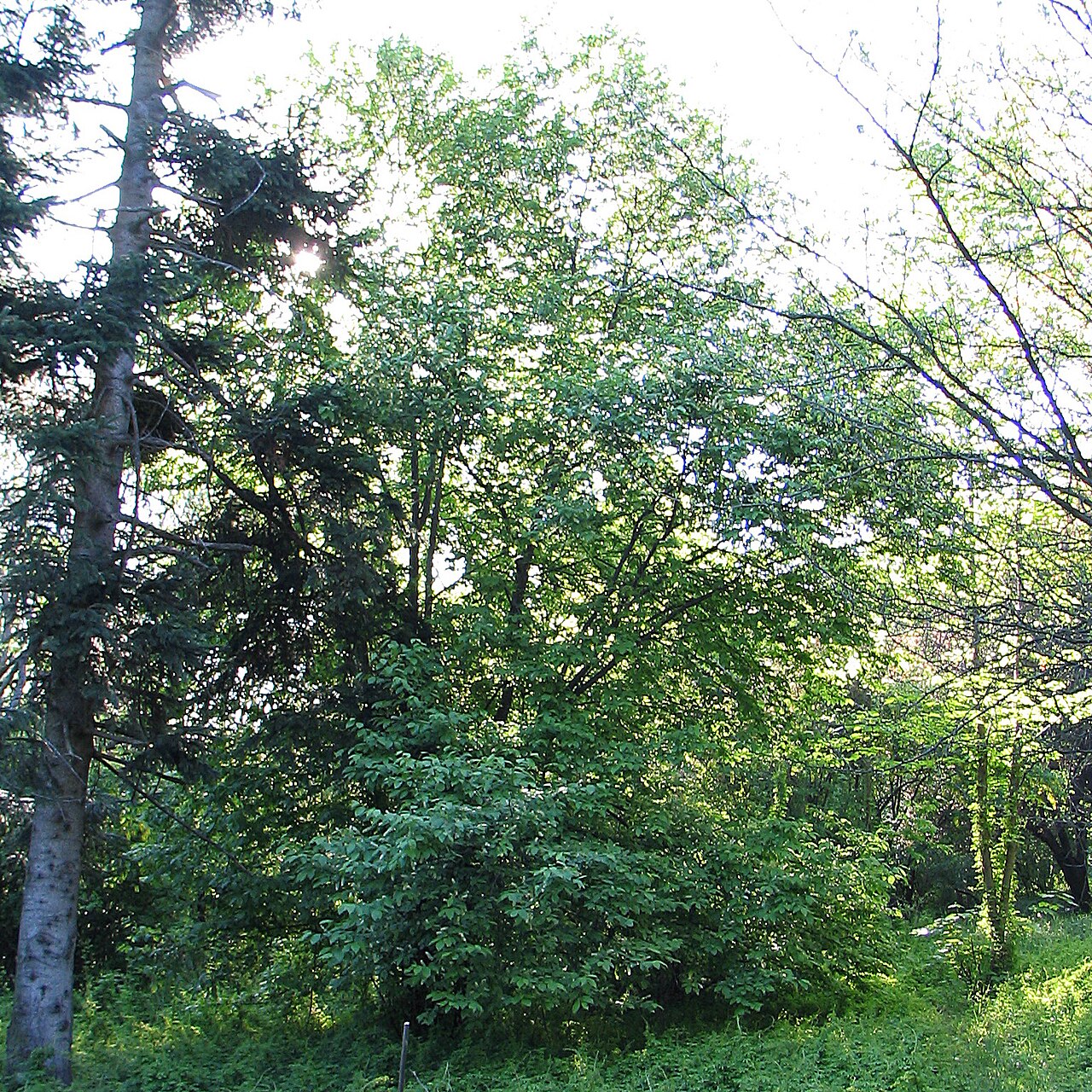
American black cherry
A fine furniture wood that begins pinkish brown and darkens with light and time. Valued for its smooth surface, calm grain, and warm luster.
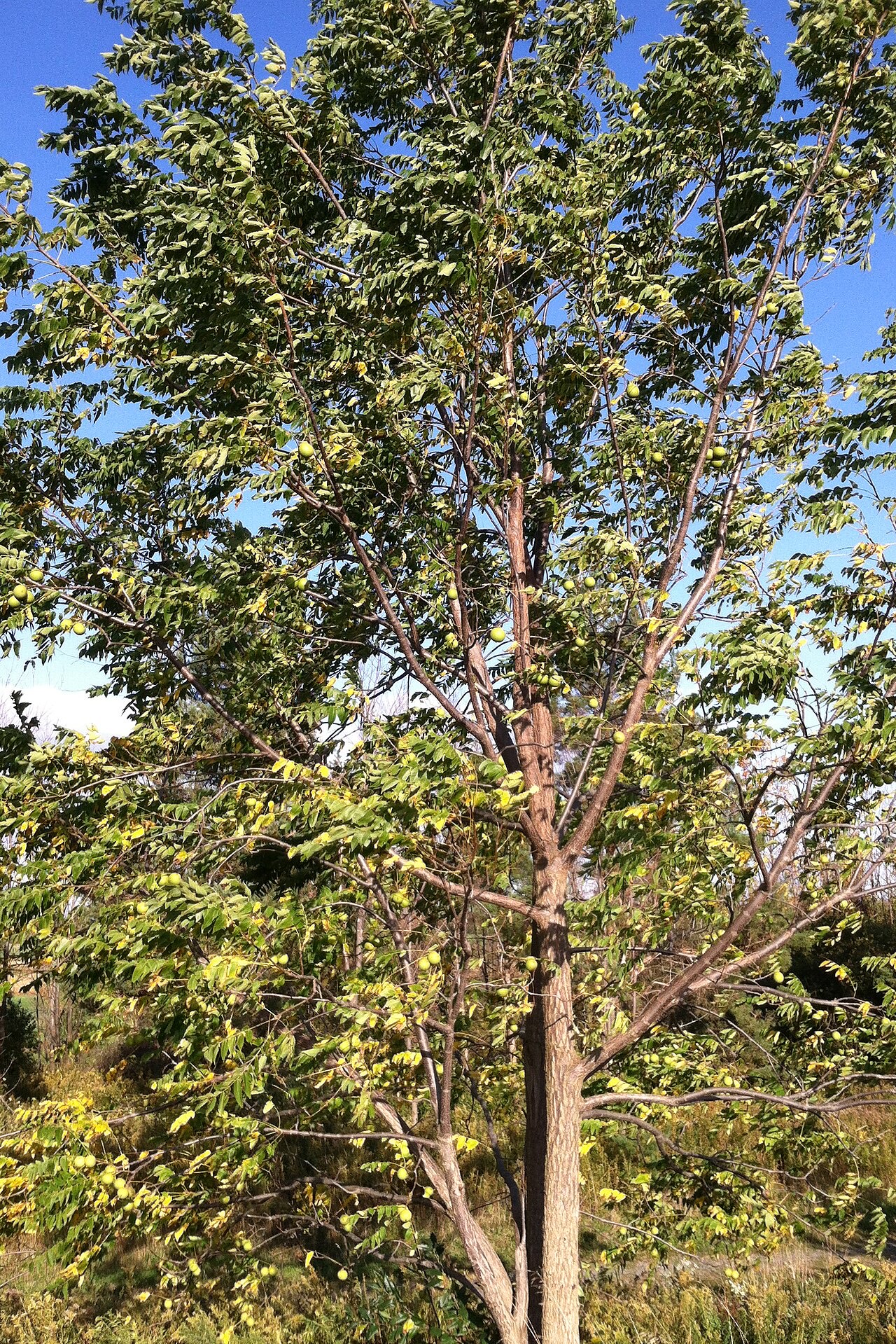
American black walnut
A dark, even chocolate-brown wood, medium-hard and stable — the classic American cabinet wood, and the wood of mid-century modern furniture.
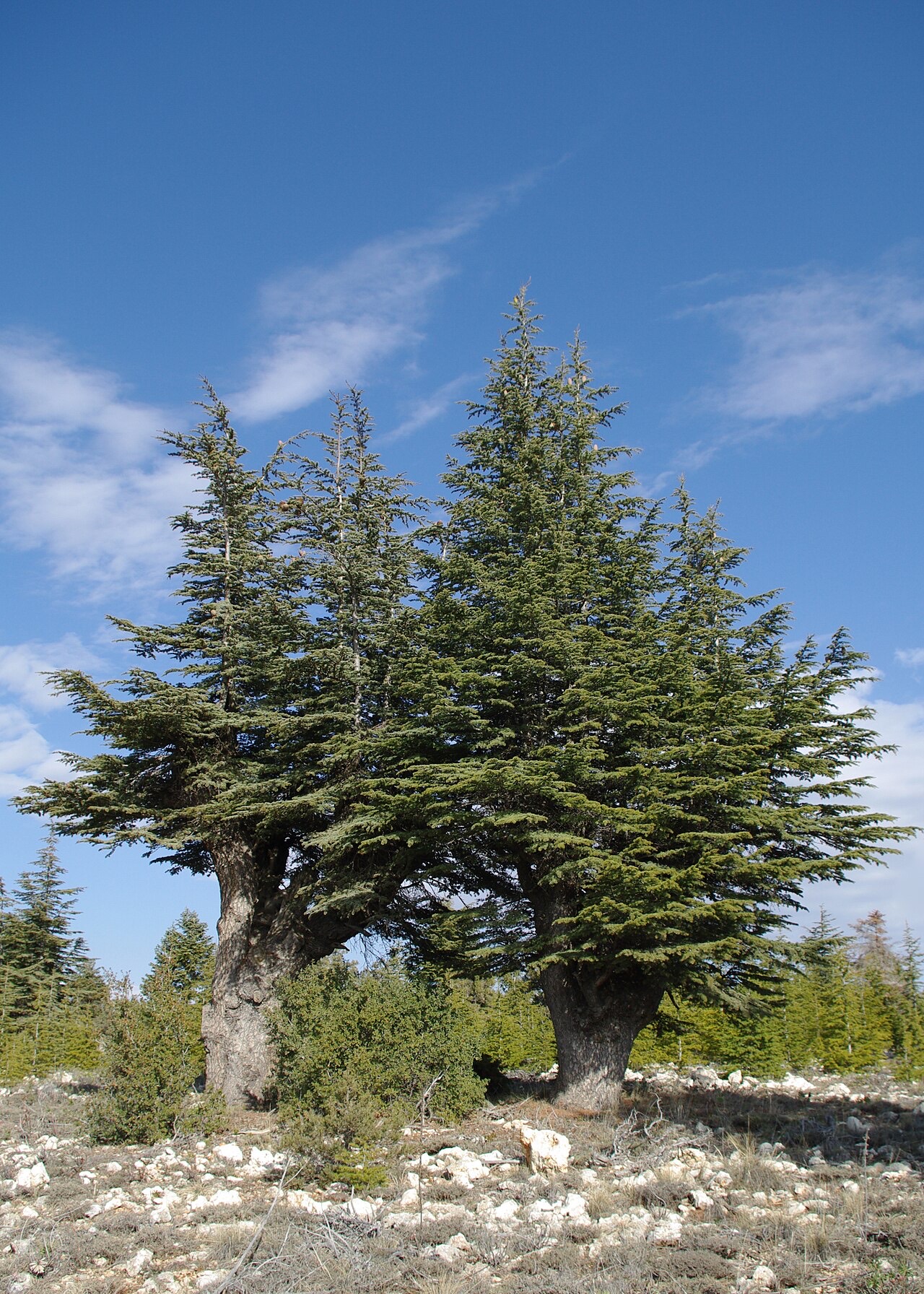
Cedar
A fragrant softwood, relatively light and resistant to decay and insects — the wood of wardrobes and chests in the Middle East and the Mediterranean, and the timber of the Temple in Jerusalem.
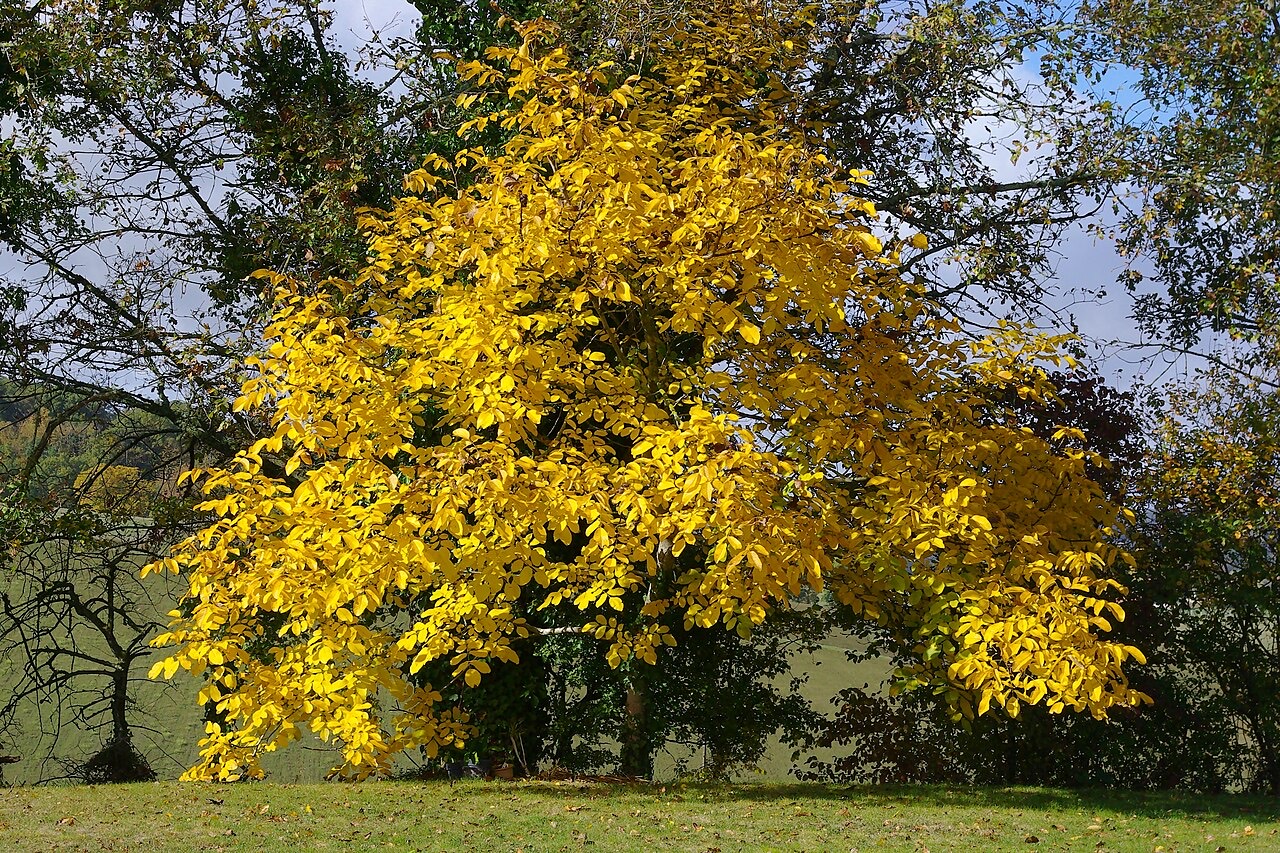
European walnut
A classic cabinet wood in varying browns, with a fine grain and wavy or curly figure. Walnut appears as solid wood, as veneer, and in marquetry.
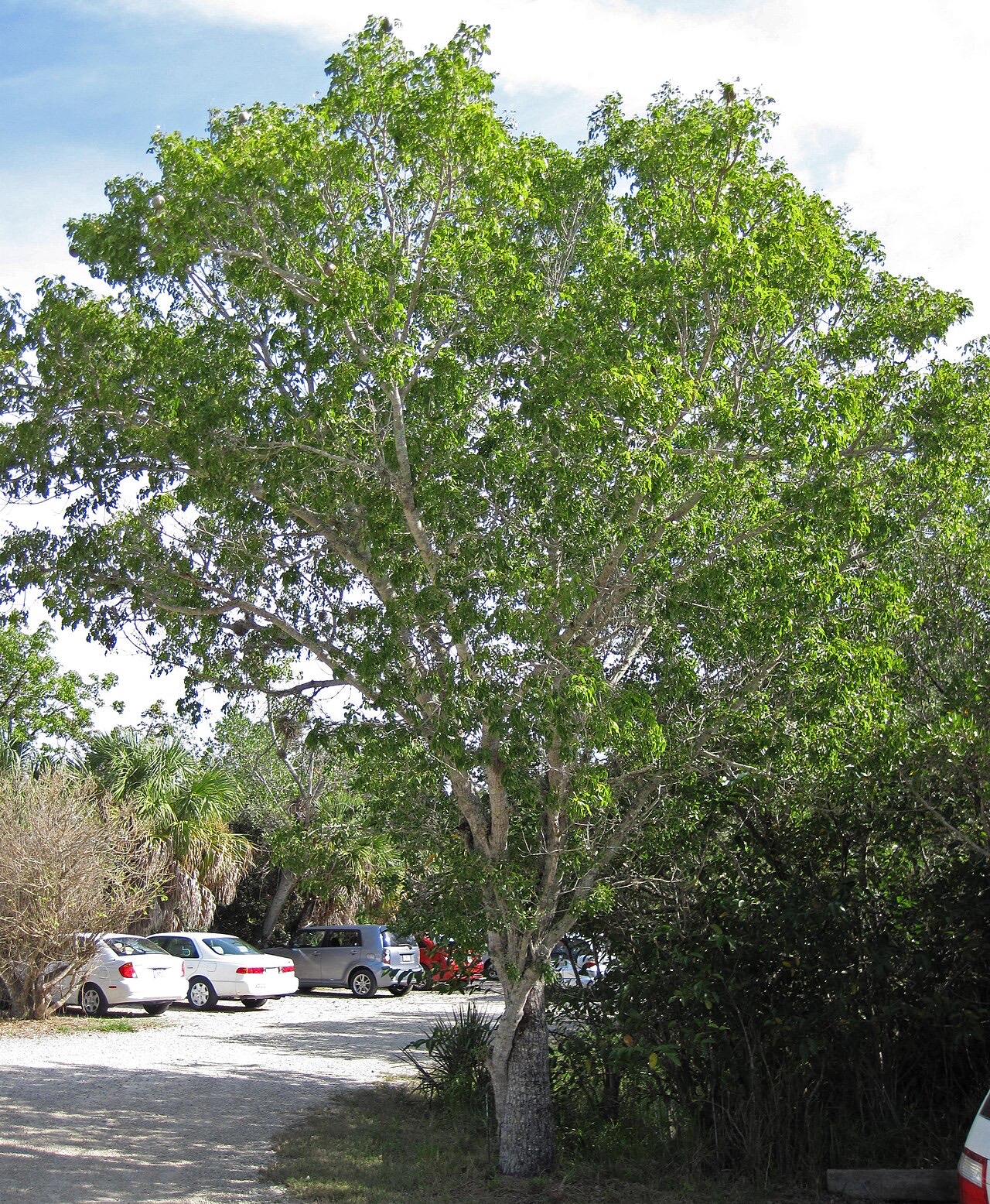
True mahogany
A family of tropical cabinet woods in a reddish brown, with good stability and excellent carving and polishing. The trade name “mahogany” is also used for other woods, so it calls for caution.
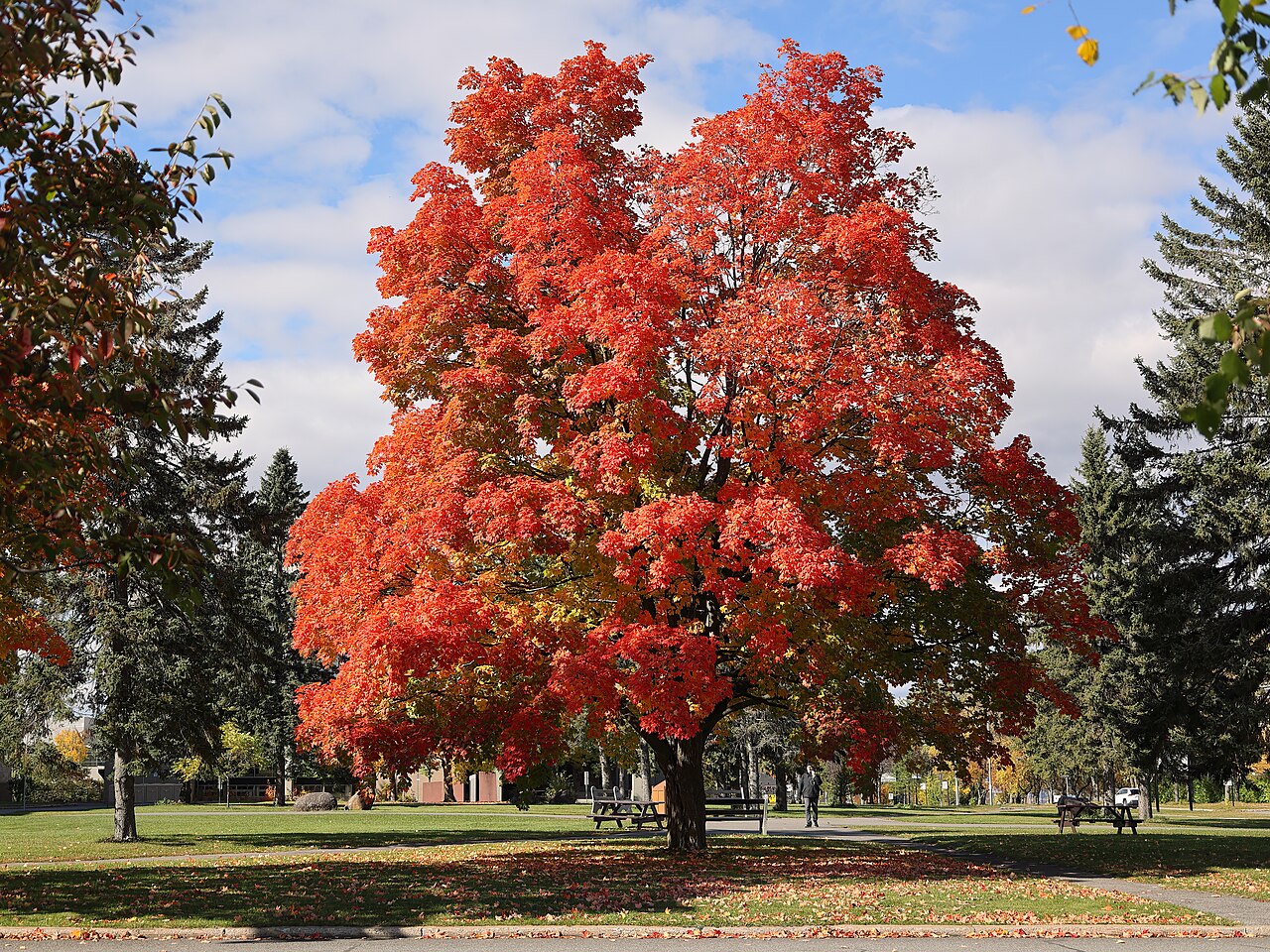
Hard maple
A dense, pale wood with a fine texture, used in fine furniture and sometimes showing curly, wavy, or bird’s-eye figure.
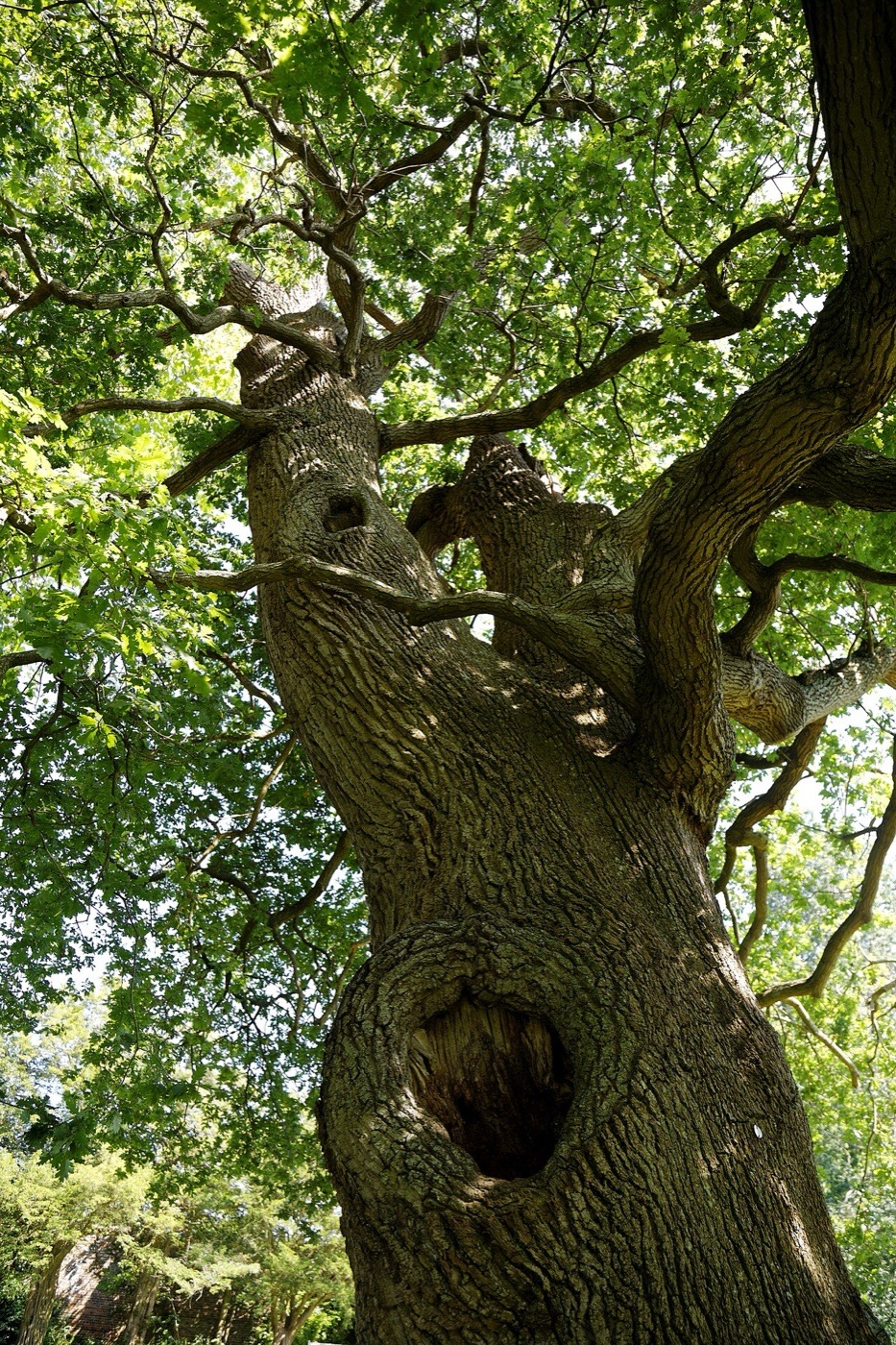
Oak
A hard, heavy wood with large pores and prominent rays. Oak is one of the most important woods in antique European furniture, for its strength, its durability, and its rich appearance.
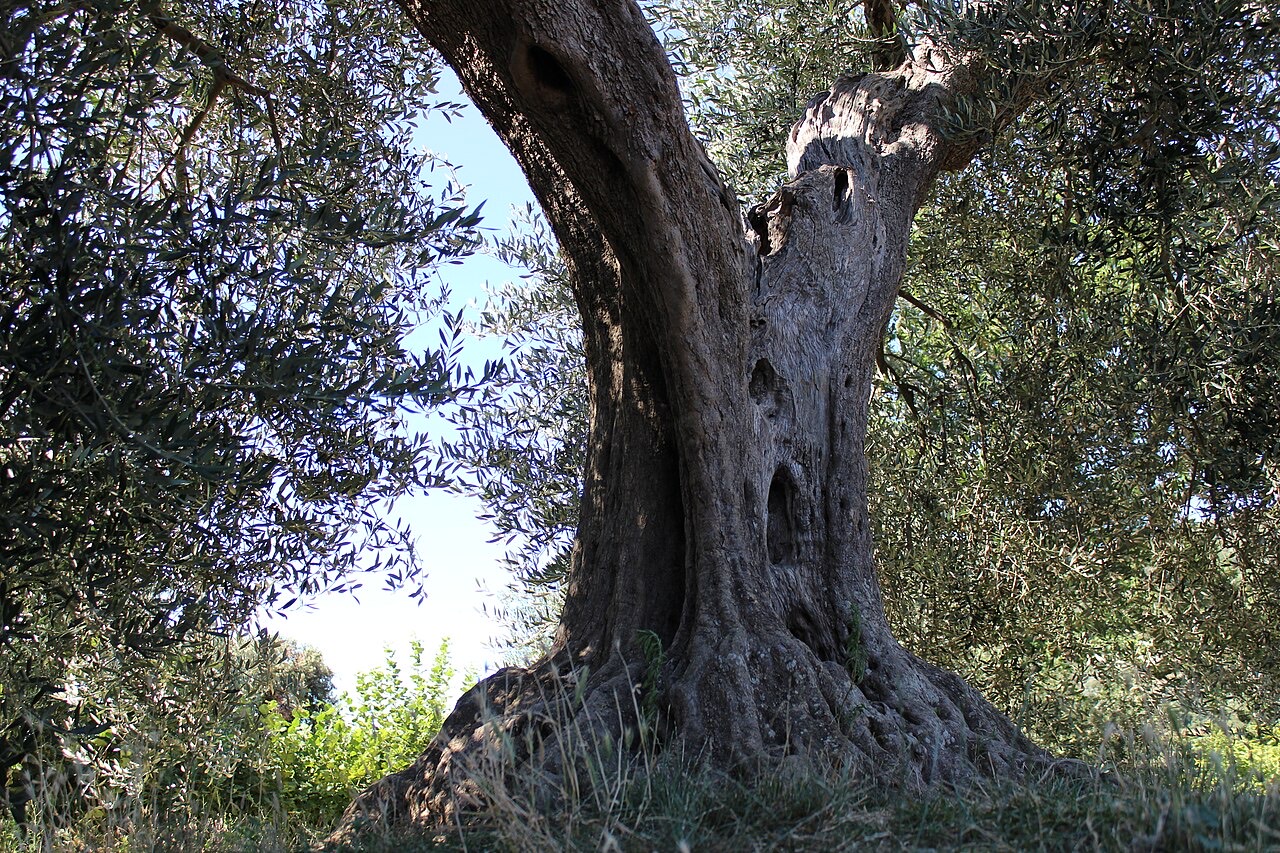
Olive
A hard, dense, oily wood with twisted grain and dramatic dark-brown streaks — the most local wood in Israel, and in furniture used for veneer, small objects, and special pieces, not for mass production.
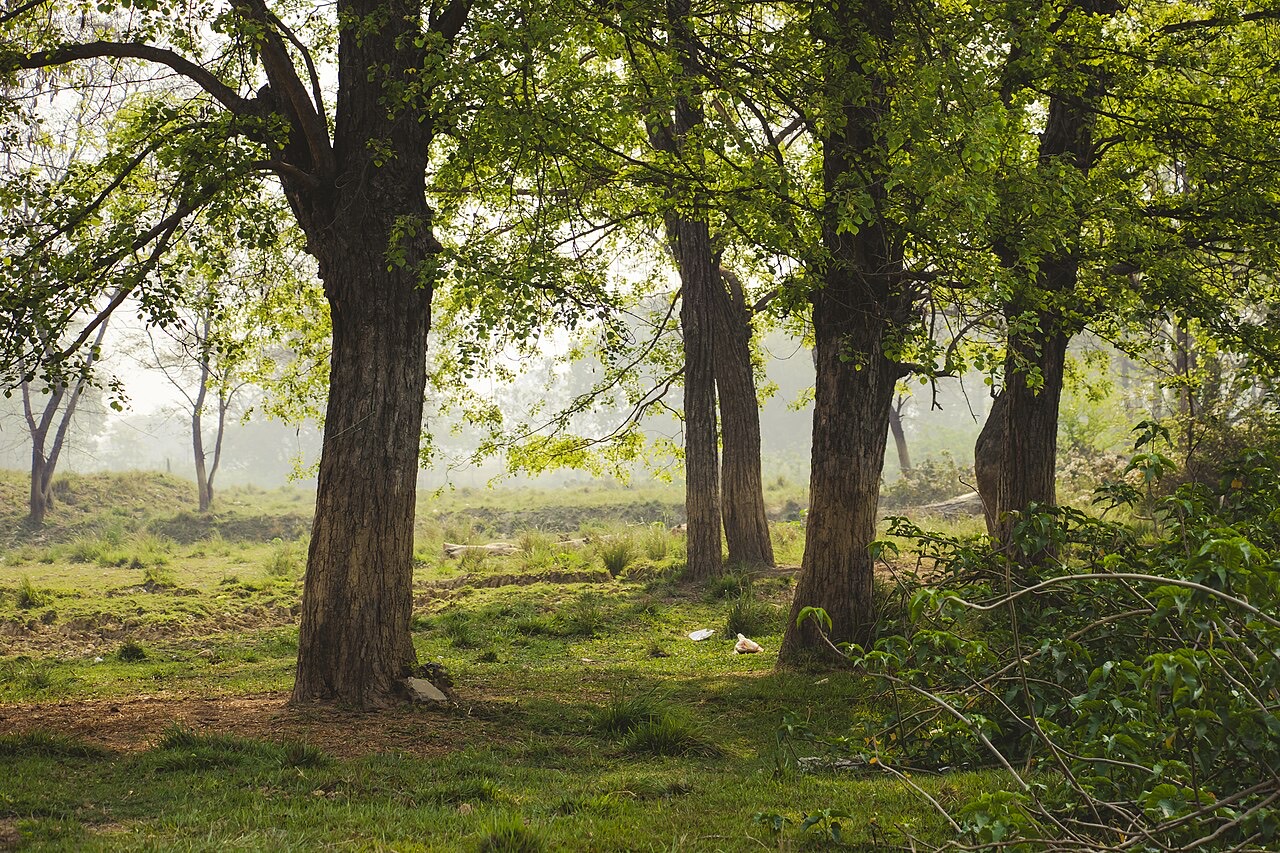
Rosewood (palisander)
A heavy, expensive tropical wood, purplish brown with black streaks and a rose scent when worked — the veneer wood of Regency furniture, Art Deco, and Danish design of the 1960s. All Dalbergia species are protected under CITES.
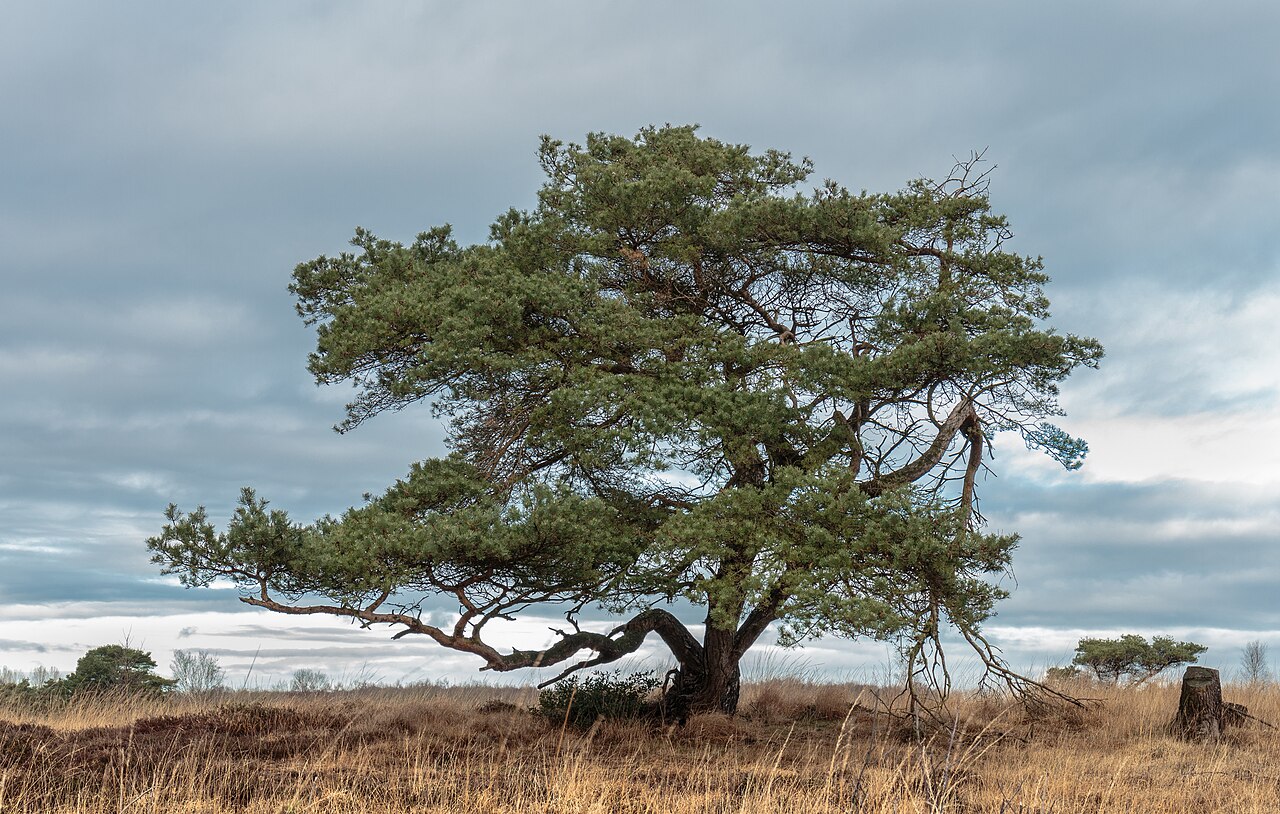
Scots pine
A relatively light softwood, with clear rings and knots. Common as a structural wood, in backs, in drawers, and under veneer in European furniture.
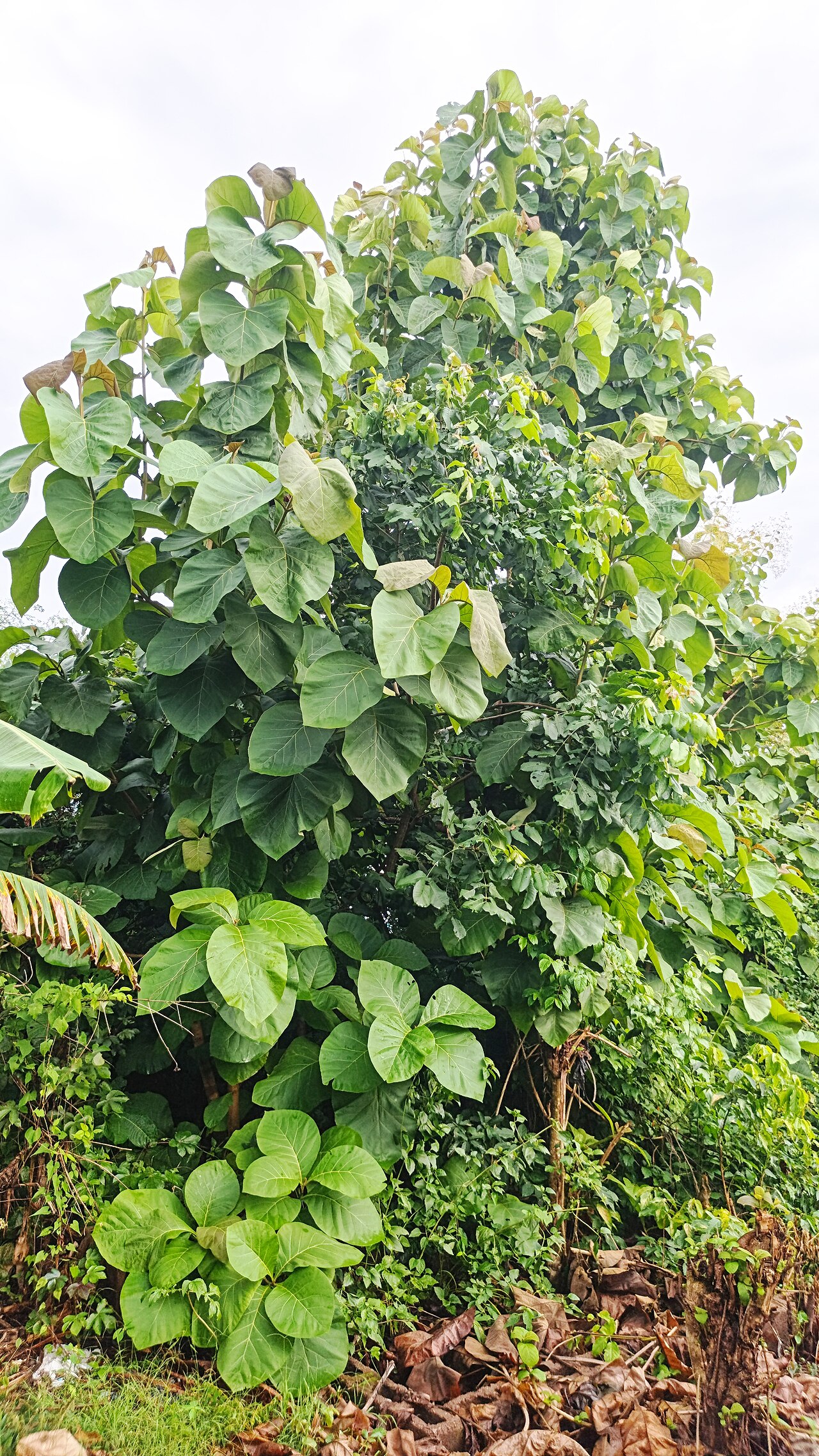
Teak
A golden-brown tropical wood, oily and naturally durable. Associated with fine furniture, outdoor furniture, and Scandinavian and mid-20th-century design.
Have a piece of furniture and you are not sure what you are looking at?
A few photographs and a short description — and we will get to know your piece. No obligation.
Send photos for a restoration assessment