Knowledge center · Woods in antique furniture · European beech
Wood · Fagus sylvatica
European beech
A pale, hard, even wood that excels at steam bending. Very common in chairs, bent parts, frames, and European working furniture.
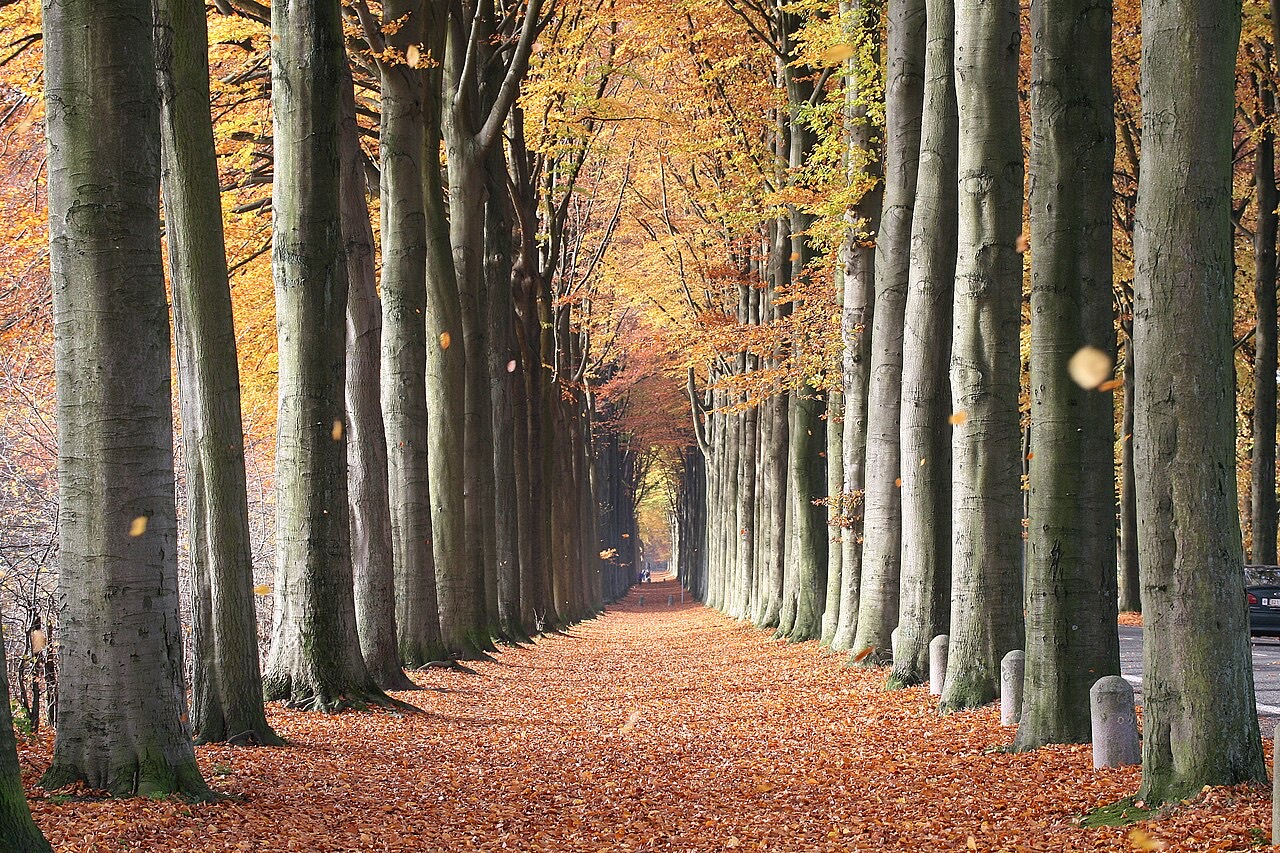

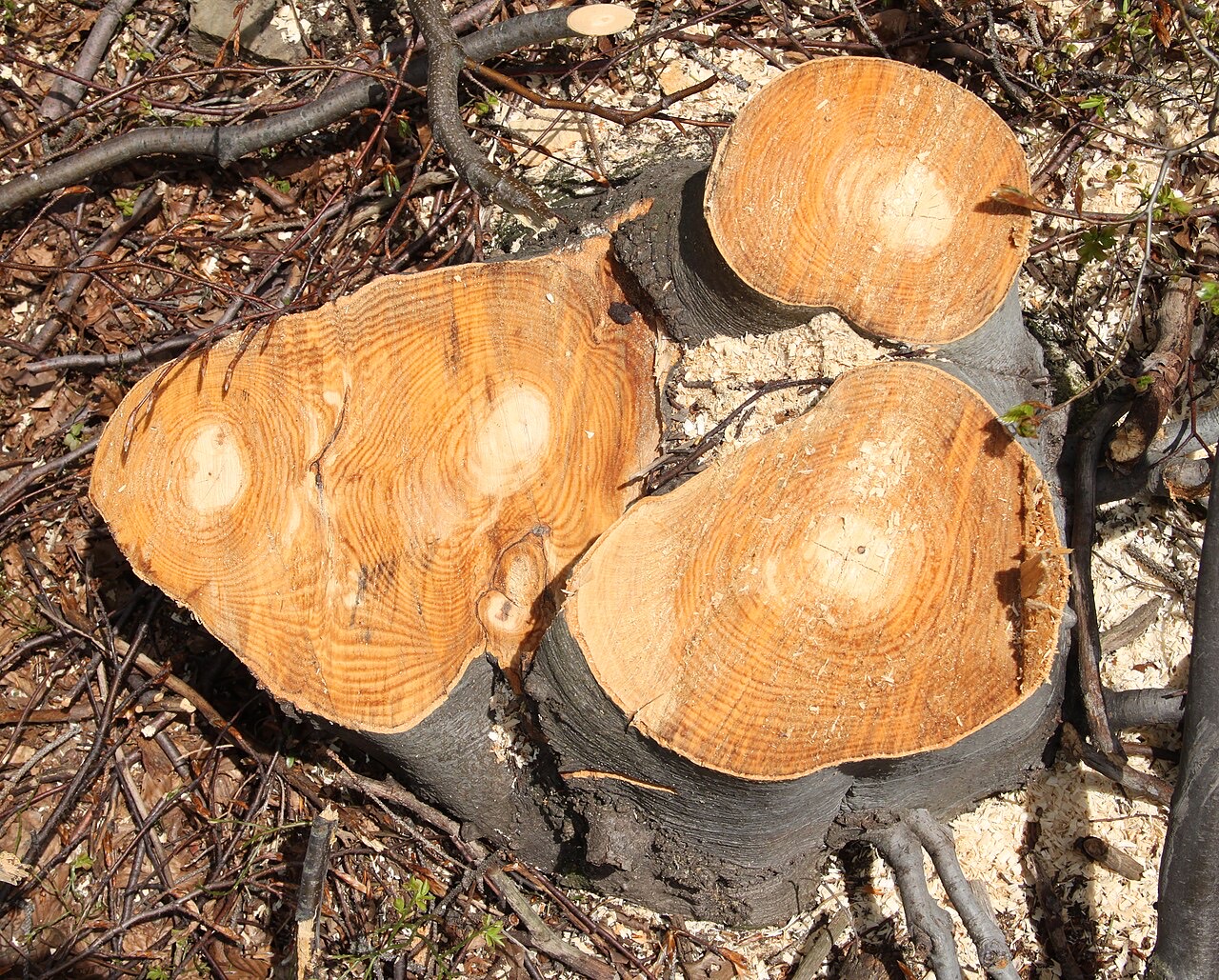

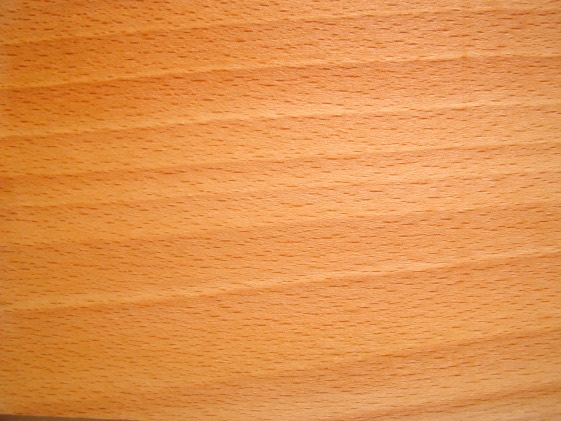

How to recognize it. European beech is usually pale — cream-white to pinkish or light brown. The pores are small and diffuse, so the texture looks even. On a radial cut, rays may appear as fine brown flecks or lines; they are short and less dramatic than oak rays.
Section and color. On a cross-section the annual rings are visible, but the transition between them is gentler than in oak or pine. A dark reddish false heart can appear in older trees and is not necessarily decay. Industrial steaming sometimes deepens the pink tone, so new beech is not always white.
Working properties. Beech is hard, dense, and wears well. It bends well after steaming, a property especially associated with bentwood chairs. On the other hand, its movement with humidity is significant, and it is not a preferred wood for prolonged exposure to water. Beech legs or stretchers can distort if a piece has been stored in extreme humidity.
In antique furniture. You will find beech in café chairs, bentwood chairs, parts meant to be painted, hidden frames, and utilitarian furniture. It was also stained at times to imitate walnut, mahogany, or cherry. A brown color therefore does not rule beech out; look in a worn or hidden area where the original color and pores are visible.
Care in restoration. Beech does not always take stain evenly and can show dark blotches. Before cleaning, bleaching, or sanding, test a hidden area. A split along a bent joint is not only a cosmetic fault — it may be a sign of structural stress.
Historical background
Beech’s ability to soften and bend in steam made it a central material in the bentwood-chair revolution of the 19th century. At the same time it remained a working wood in hidden parts and frames, so it is common in furniture even when the outer surface is veneered or stained.
Related
Solid wood
A part made entirely of the same wood, with no facing. Not necessarily “better” than veneer — but you need to know which one is in front of you.
Patina
The layer of wear and sheen that wood gathers over the years. To collectors it is an asset, not a flaw: original patina raises value, and removing it can damage that value badly.
Have a piece of furniture and you are not sure what you are looking at?
A few photographs and a short description — and we will get to know your piece. No obligation.
Send photos for a restoration assessment