Knowledge center · Woods in antique furniture · European walnut
Wood · Juglans regia
European walnut
A classic cabinet wood in varying browns, with a fine grain and wavy or curly figure. Walnut appears as solid wood, as veneer, and in marquetry.
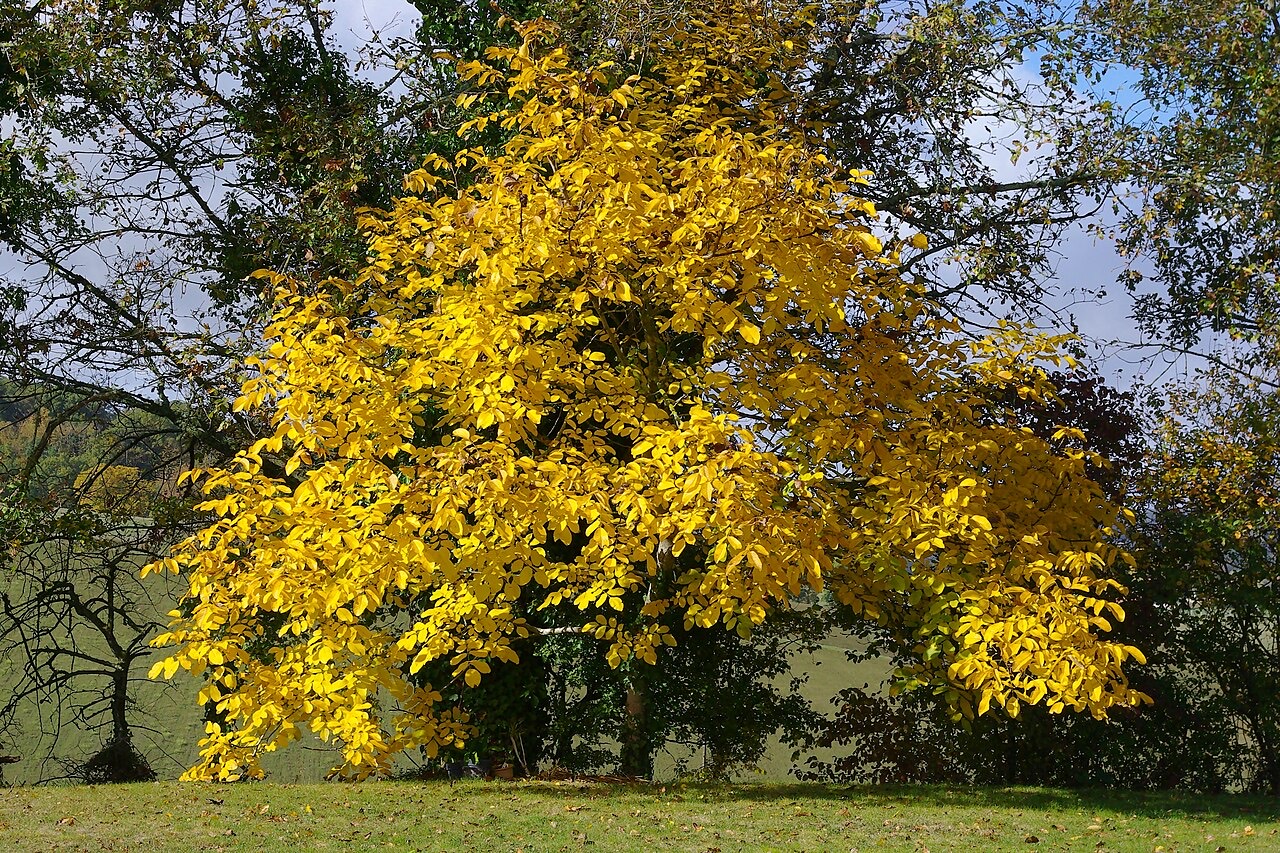

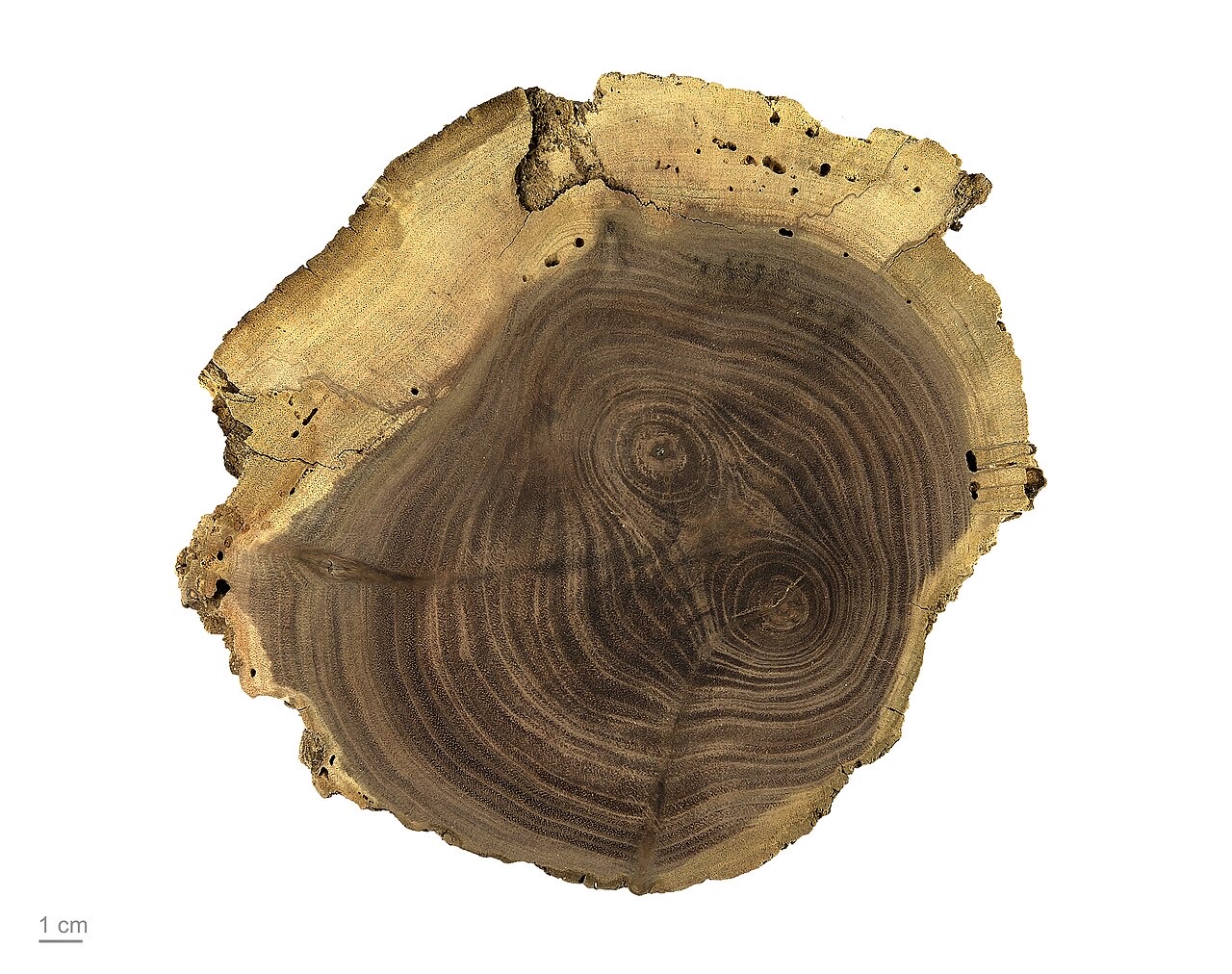

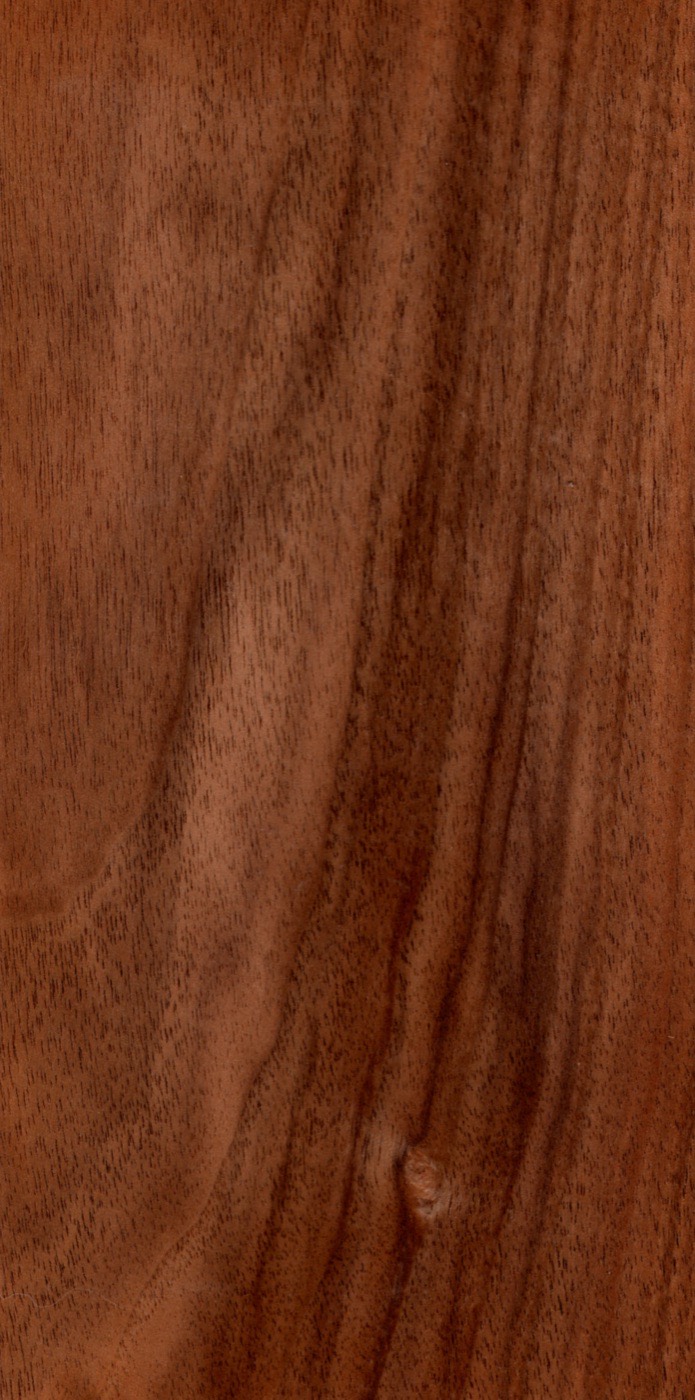

How to recognize it. The heartwood of European walnut runs from gray-brown to chocolate brown and sometimes includes dark streaks or a wavy figure. The sapwood is much paler. The pores are small to medium and more diffuse than those of oak, so the surface looks fine and relatively smooth after polishing.
Figure and grain. Walnut may be straight-grained, wavy, curly, or full of “eyes” around crotches and root wood. Those figures made it a sought-after material for veneer and marquetry. On a veneered piece, a symmetrical run of figure may mean veneers opened against each other; that is not a fault — it is deliberate cabinetwork.
Working properties. Walnut is moderately hard, relatively agreeable to carve and to work, and it takes a rich polish and finish. It allows fine detail without being as heavy and coarse as some oaks. The color is not fixed: light, oxidation, oil, wax, and varnish can change it considerably.
In antique furniture. Walnut is common in chests, cabinets, tables, chair frames, veneer, and marquetry. In old European furniture you can find a thin walnut veneer on a ground of a cheaper, paler wood. Cracks, bubbles, or lifting in the veneer need gentle stabilizing — aggressive sanding can erase the veneer layer.
Identification caution. “Walnut” is a broad trade name. European walnut, American black walnut, and other species are similar but not the same. The cross-section shown here is of black walnut, meant to illustrate the separation of dark heartwood and pale sapwood; it is not a substitute for comparing a cut of the sample itself.
Historical background
Walnut was one of the important luxury cabinet woods of Europe, and it was especially suited to the development of veneer and marquetry. In later furniture, American black walnut and other walnut species also appear, so the name of a style or a period is not enough for a botanical identification.
Related
Veneer
A thin layer of fine wood glued onto a body of plainer wood. A legitimate technique, centuries old — many grand mahogany pieces are built this way.
Patina
The layer of wear and sheen that wood gathers over the years. To collectors it is an asset, not a flaw: original patina raises value, and removing it can damage that value badly.
Lifting veneer — what to do
A bubble or a lifted corner of veneer comes from moisture or from glue that has dried out. Do not tear it and do not cut it off. Keep the piece that has lifted, keep it away from moisture, and photograph it. Veneer repair needs glue introduced carefully and controlled pressure — delicate work best left to a craftsperson.
Have a piece of furniture and you are not sure what you are looking at?
A few photographs and a short description — and we will get to know your piece. No obligation.
Send photos for a restoration assessment