Knowledge center · Woods in antique furniture · Scots pine
Wood · Pinus sylvestris
Scots pine
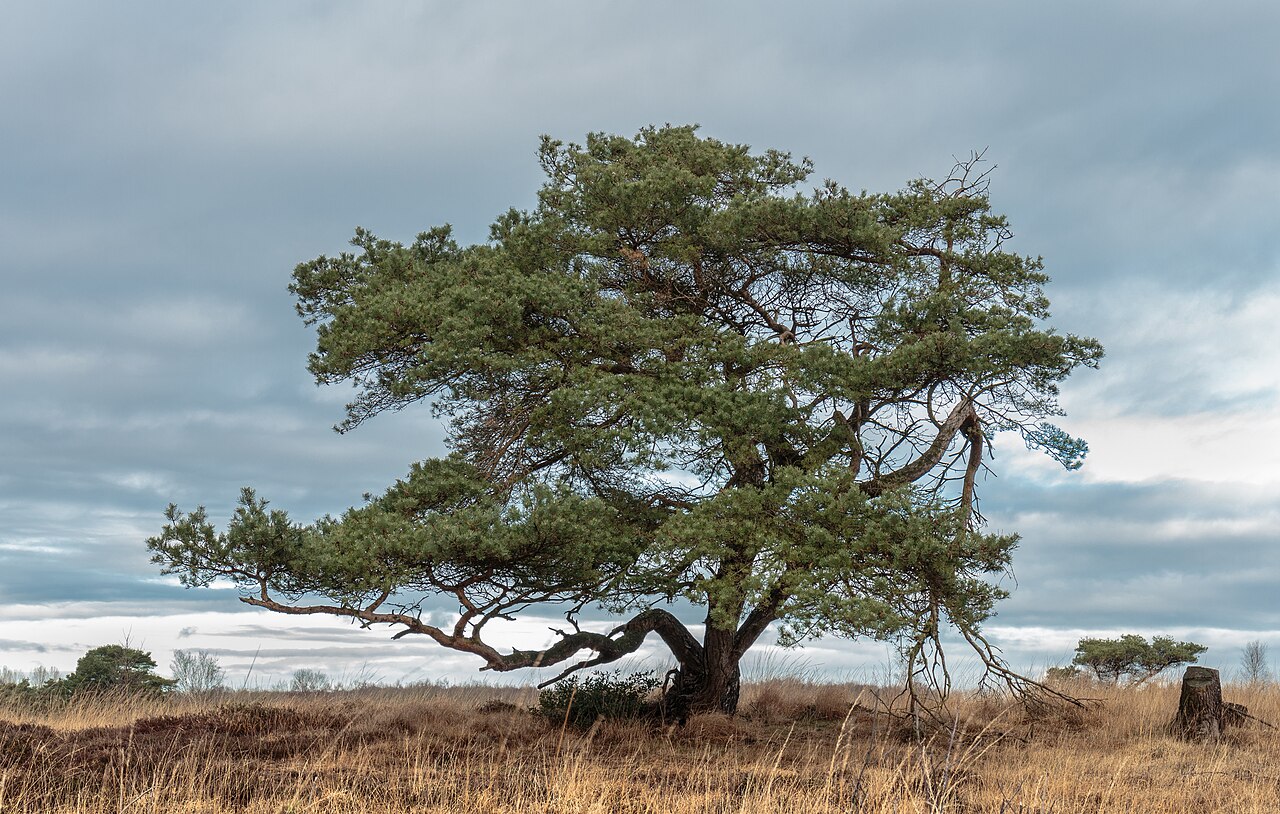
A relatively light softwood, with clear rings and knots. Common as a structural wood, in backs, in drawers, and under veneer in European furniture.
_10.jpg)
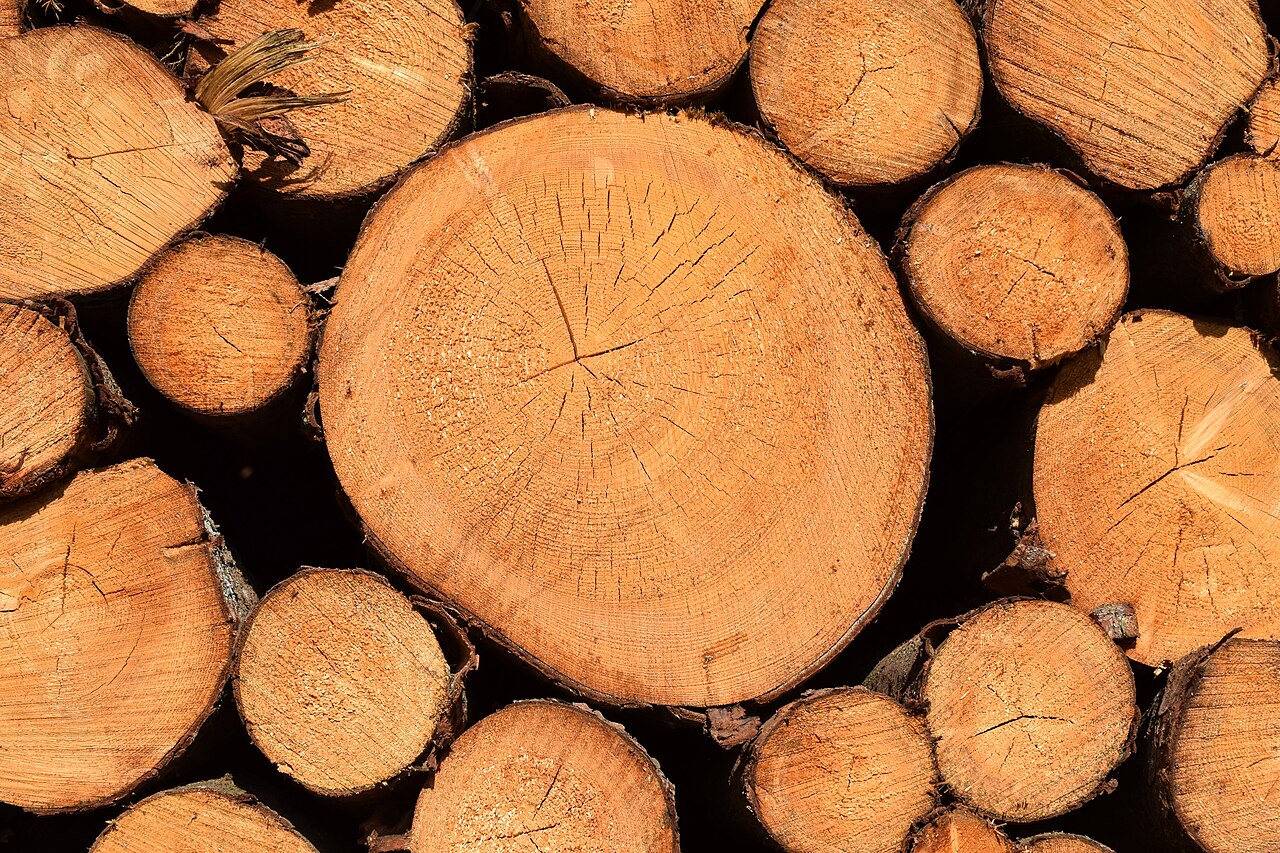

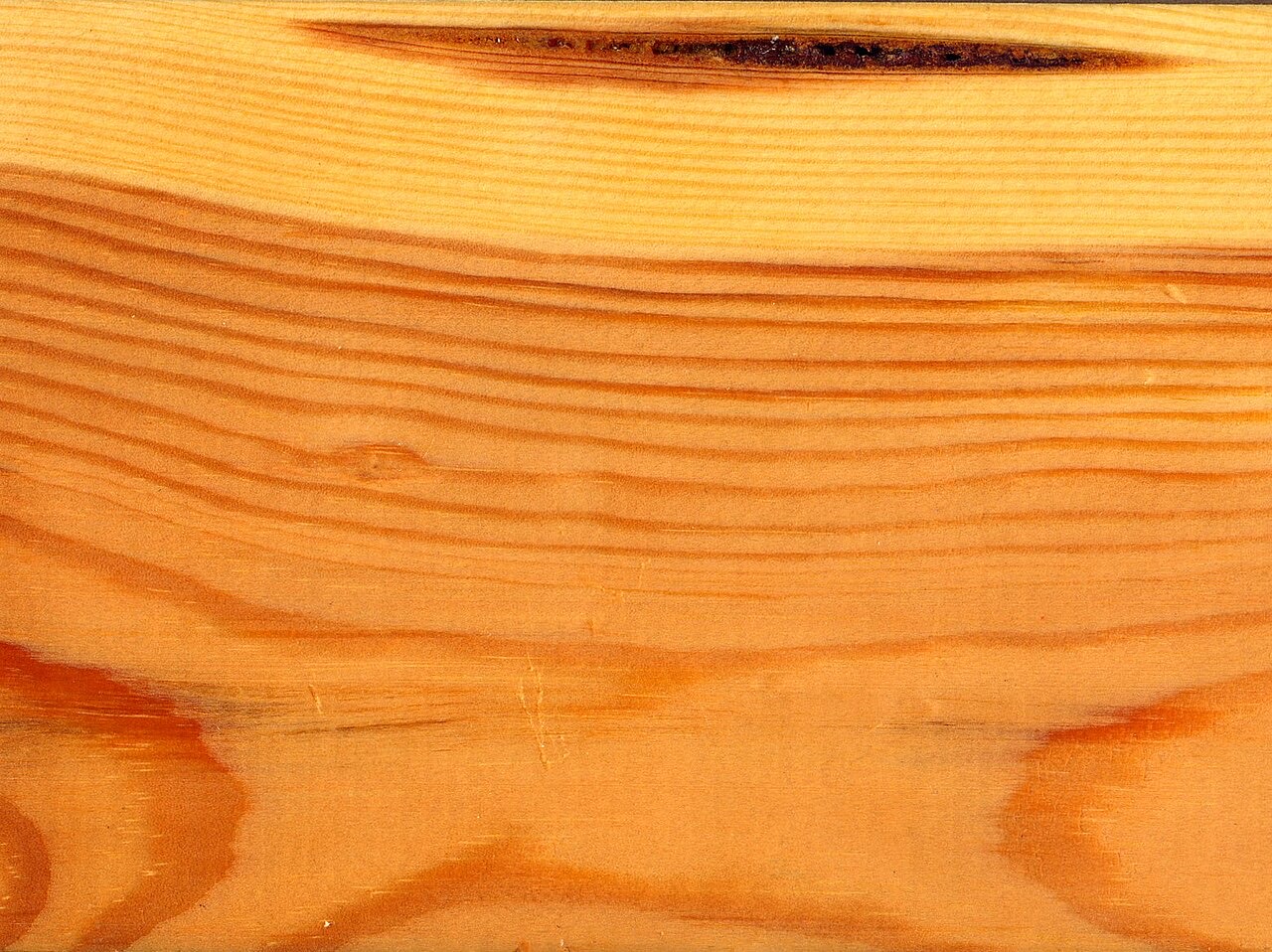

How to recognize it. On a cross-section of pine the annual rings are very clear: pale, soft earlywood against darker, denser latewood. There are no large pores as in the broadleaf woods. Along the grain you see straight lines and sometimes resin canals; knots are the natural cuts of branches.
Color and texture. The sapwood is yellowish white and the heartwood runs from yellow-brown to a reddish orange with time. The texture is medium, and a resinous smell may remain in interior areas. A dark finish can make it look like a hardwood, so it is important to check a back, an underside, or the inside of a drawer.
Working properties. Pine is light and easy to saw, plane, and join. The soft earlywood crushes and scratches easily, while knots and resin make an even finish harder. A screw close to an end can split a dry part, so a structural repair needs a pilot hole and a matched material.
In antique furniture. Pine was used for a cabinet carcase, a back, a drawer bottom, shelves, and a ground for veneer. An interior of pine does not mean a cheap or fake piece; on a fine piece it was accepted practice to save the expensive wood in hidden places and to use pine as a stable, light ground.
Identification caution. There are many pines, and spruce and fir can look similar. The size of the resin canals, the ring transition, the knots, and the smell all help, but naming the exact species from a photograph alone is not reliable.
Historical background
Pine was an available working material across Europe, so it often appears in the hidden parts of furniture veneered in walnut, mahogany, and other precious woods. In country furniture and painted furniture it also appears as the main exterior wood.
Related
Veneer
A thin layer of fine wood glued onto a body of plainer wood. A legitimate technique, centuries old — many grand mahogany pieces are built this way.
Solid wood
A part made entirely of the same wood, with no facing. Not necessarily “better” than veneer — but you need to know which one is in front of you.
Woodworm
A beetle whose larvae bore tunnels in wood. Fresh frass under the furniture means an active infestation that needs treatment at once.
Have a piece of furniture and you are not sure what you are looking at?
A few photographs and a short description — and we will get to know your piece. No obligation.
Send photos for a restoration assessment