Knowledge center · Woods in antique furniture · Hard maple
Wood · Acer saccharum
Hard maple
A dense, pale wood with a fine texture, used in fine furniture and sometimes showing curly, wavy, or bird’s-eye figure.
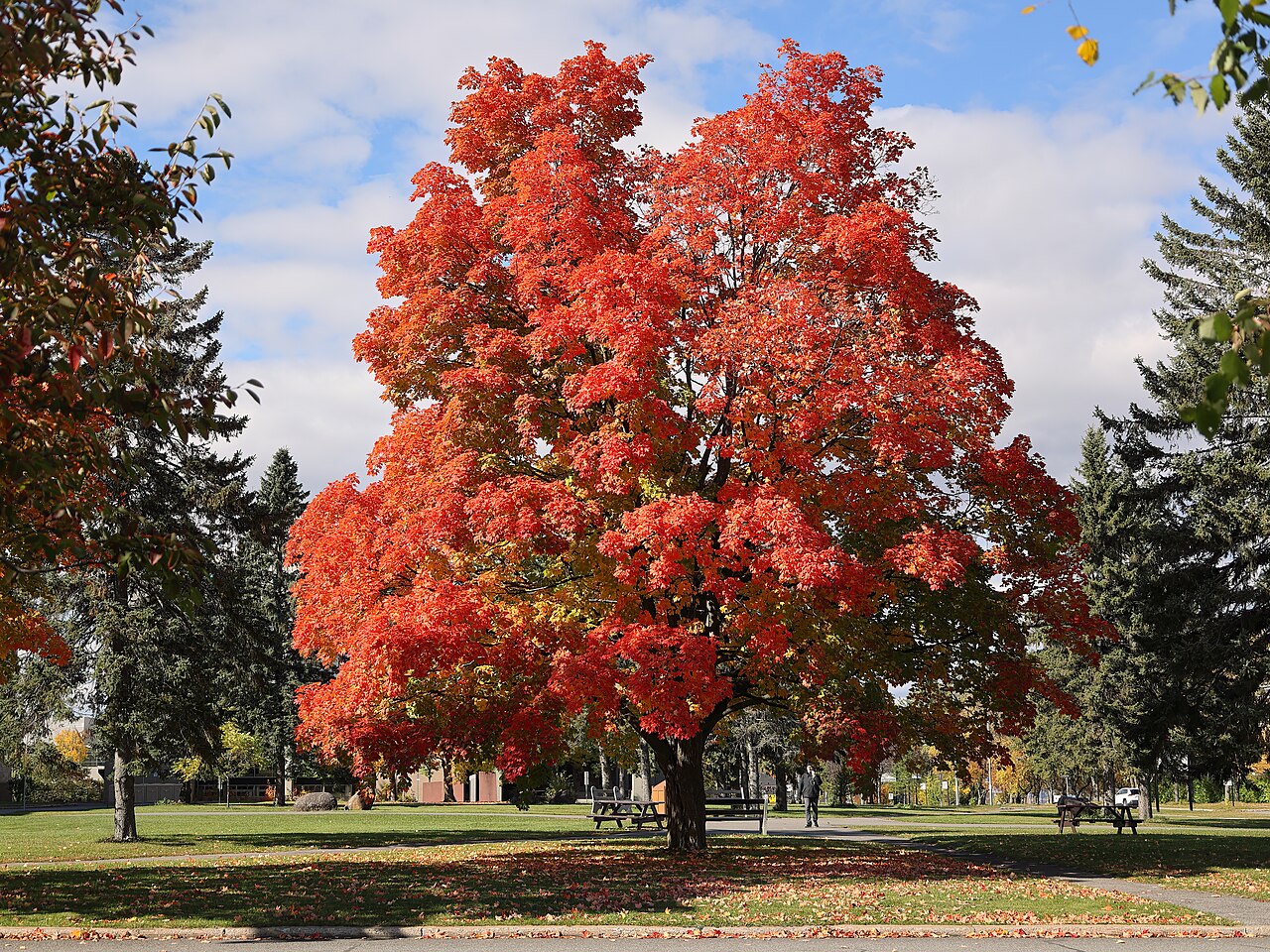

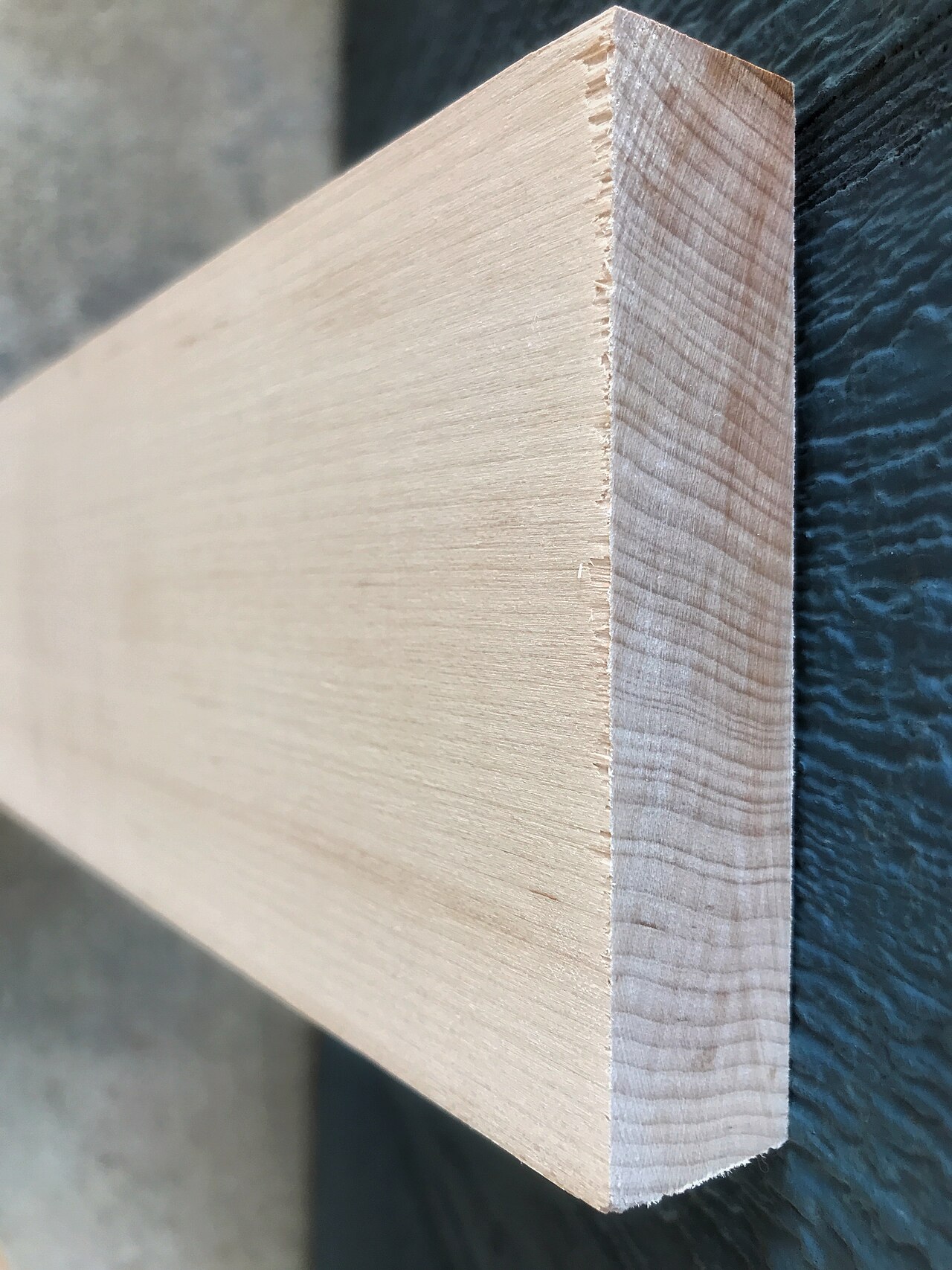

How to recognize it. Hard maple is usually cream-white to a pale yellow, while the heartwood may be reddish brown. The pores are very small and diffuse, so the surface is smooth and even. The annual rings on a cross-section are fine and not as pronounced as in oak or pine.
Special figure. In maple you can meet bird’s-eye, curly grain, or wavy grain. These are not separate species but patterns of growth, and they show especially under a clear finish. A striking figure does not prove the age of a piece, but it can explain why a particular part was chosen for a façade or a veneer.
Working properties. Hard maple is dense, hard, and resistant to wear. It suits tops, drawers, frames, thin parts, and tools. The dense grain allows clean detail, but it also makes hand carving harder and can burn under fast machine work.
In antique furniture. Maple appears in American furniture, in pale parts, in decorative veneer, and sometimes as a secondary wood in drawers. It may be stained to imitate cherry or walnut, but the stain can take unevenly. An area inside the piece that has been protected from light may be much paler than the front.
Identification caution. There are hard and soft maples, and the trade names do not always name a single botanical species. Identification needs the pores, the rays, the weight, the hardness, and the structure of the cut together — not color alone.
Historical background
Maple was an especially important material in North American furniture. Wood with curly or bird’s-eye figure was chosen for façades and decorative pieces, while straight, even material was used for durable, working parts.
Related
Veneer
A thin layer of fine wood glued onto a body of plainer wood. A legitimate technique, centuries old — many grand mahogany pieces are built this way.
Solid wood
A part made entirely of the same wood, with no facing. Not necessarily “better” than veneer — but you need to know which one is in front of you.
Have a piece of furniture and you are not sure what you are looking at?
A few photographs and a short description — and we will get to know your piece. No obligation.
Send photos for a restoration assessment