Knowledge center · Woods in antique furniture · Oak
Wood · Quercus robur, Quercus petraea, Quercus alba
Oak
A hard, heavy wood with large pores and prominent rays. Oak is one of the most important woods in antique European furniture, for its strength, its durability, and its rich appearance.
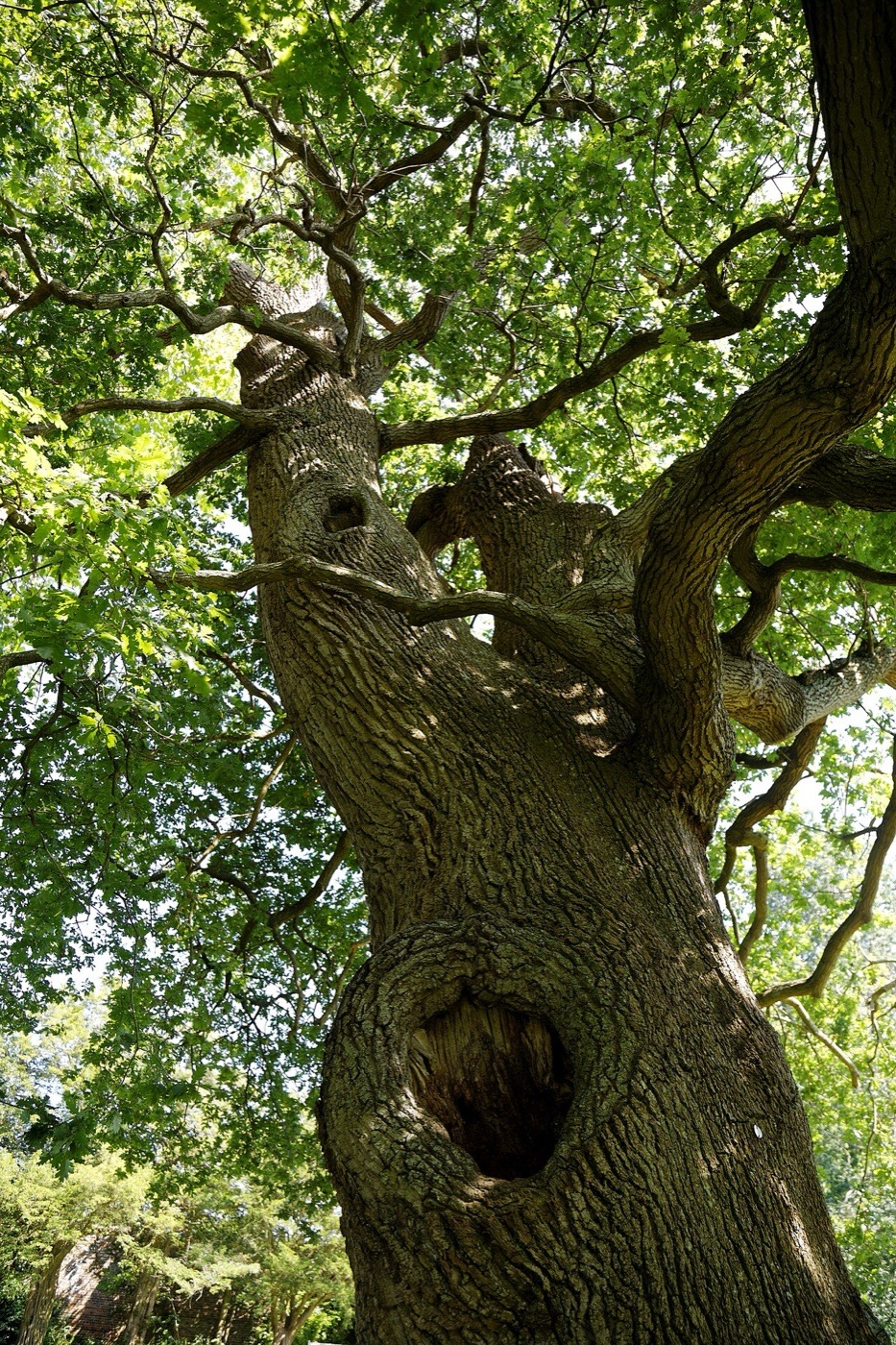

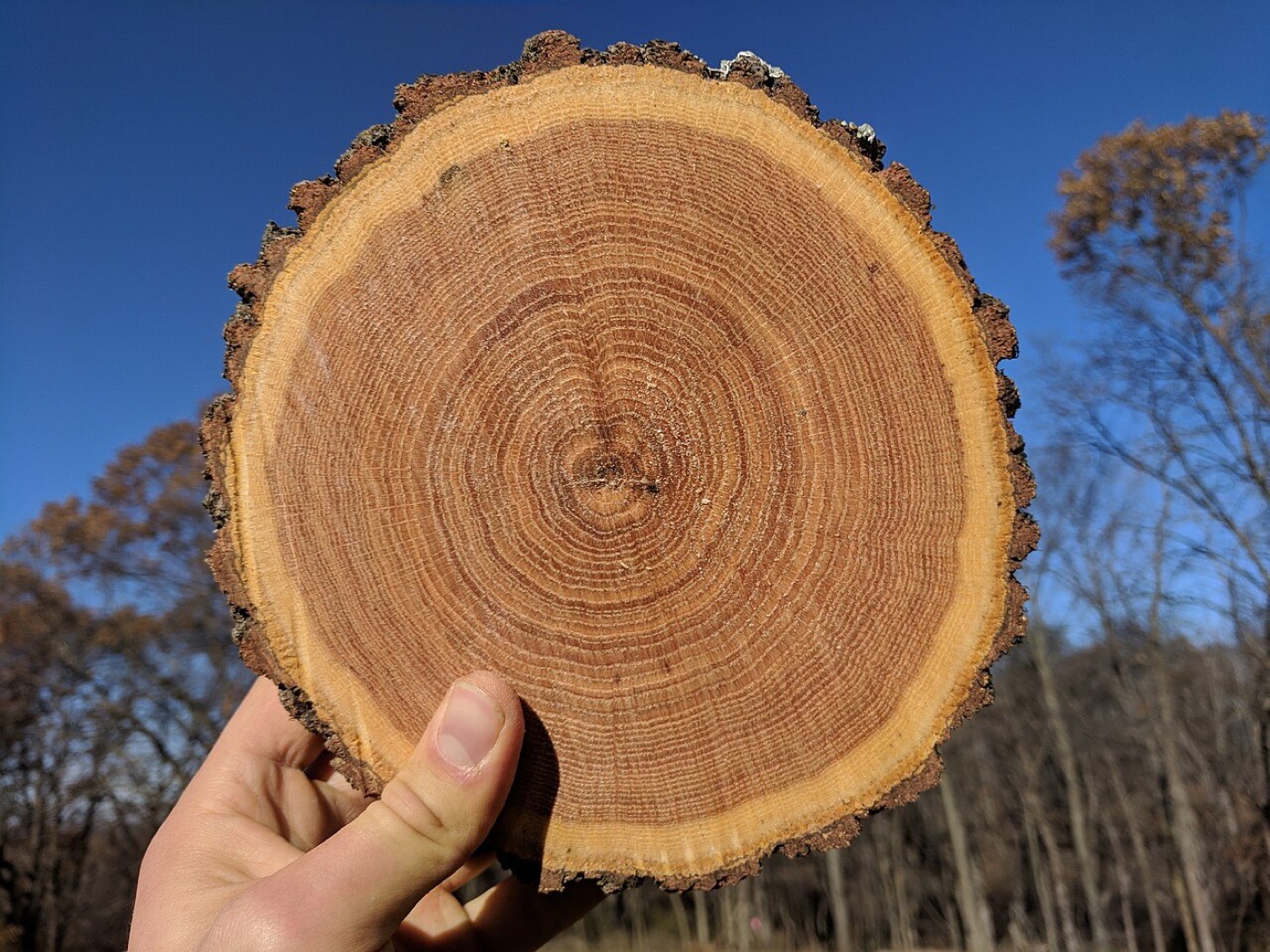

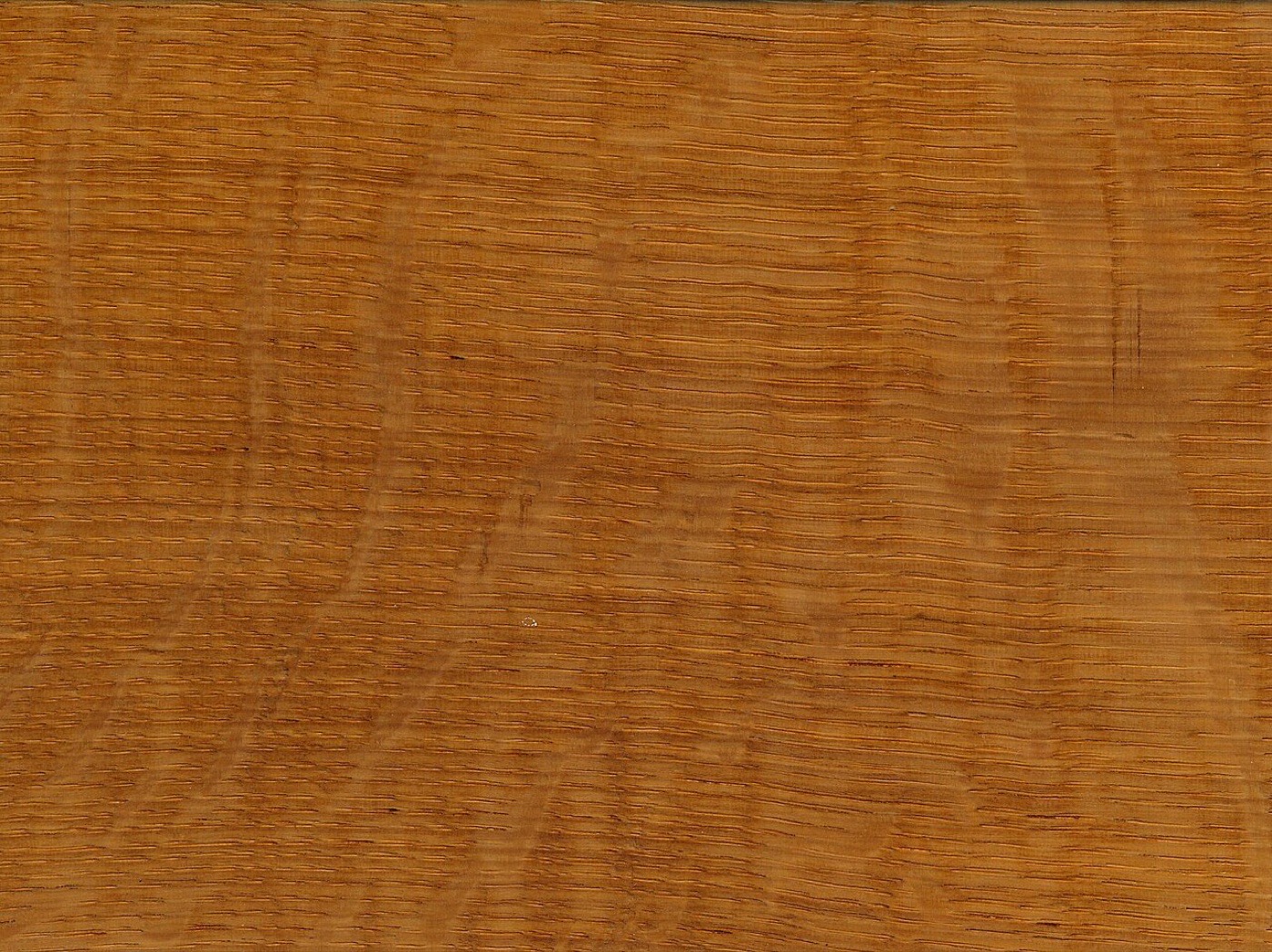

How to recognize it. On a cross-section the annual rings are clear: the earlywood holds large pores, and the latewood is denser. On a quarter-cut, pale, shiny rays sometimes appear as short streaks or flecks across the grain. That is a very useful sign, but it is not enough on its own to name the exact species.
Color and texture. New oak usually runs from straw yellow to a light brown. With age, oxidation, and finish it can turn golden or a deep brown. The texture is medium to coarse and the grain is usually straight, but on an old piece that has been stained or given a dark varnish the original color may be hidden.
Working properties. Oak is hard, strong, and resistant to wear. It holds joinery well and suits legs, frames, tables, cabinets, and carving. Its tannins react with iron and moisture and can leave blue-black stains around an old nail or screw. In restoration, do not assume that such a stain is mold.
In antique furniture. Solid oak is common in early European furniture, in country pieces, and in Gothic Revival, Arts and Crafts, and Mission work. It was also used as a ground under a precious veneer. Look together at the pores, the rays, the weight of the piece, the type of joint, and the exposed areas under a drawer or on the back.
Identification caution. The word “oak” covers hundreds of species, and European oak is not the same as American white or red oak. A photograph and a color are only a direction of inquiry. A professional identification looks at a clean cut with a hand lens, and sometimes a microscope is required.
Historical background
Oak was a central material in the building and furniture of northern and western Europe for centuries. Even after walnut and mahogany became fashionable in high-end furniture, oak continued in country pieces, in structural parts, and in later revival periods.
Related
Solid wood
A part made entirely of the same wood, with no facing. Not necessarily “better” than veneer — but you need to know which one is in front of you.
Patina
The layer of wear and sheen that wood gathers over the years. To collectors it is an asset, not a flaw: original patina raises value, and removing it can damage that value badly.
Woodworm
A beetle whose larvae bore tunnels in wood. Fresh frass under the furniture means an active infestation that needs treatment at once.
Have a piece of furniture and you are not sure what you are looking at?
A few photographs and a short description — and we will get to know your piece. No obligation.
Send photos for a restoration assessment