Knowledge center · Woods in antique furniture · Cedar
Wood · Cedrus libani (ארז הלבנון), Cedrus atlantica (ארז האטלס)
Cedar
A fragrant softwood, relatively light and resistant to decay and insects — the wood of wardrobes and chests in the Middle East and the Mediterranean, and the timber of the Temple in Jerusalem.
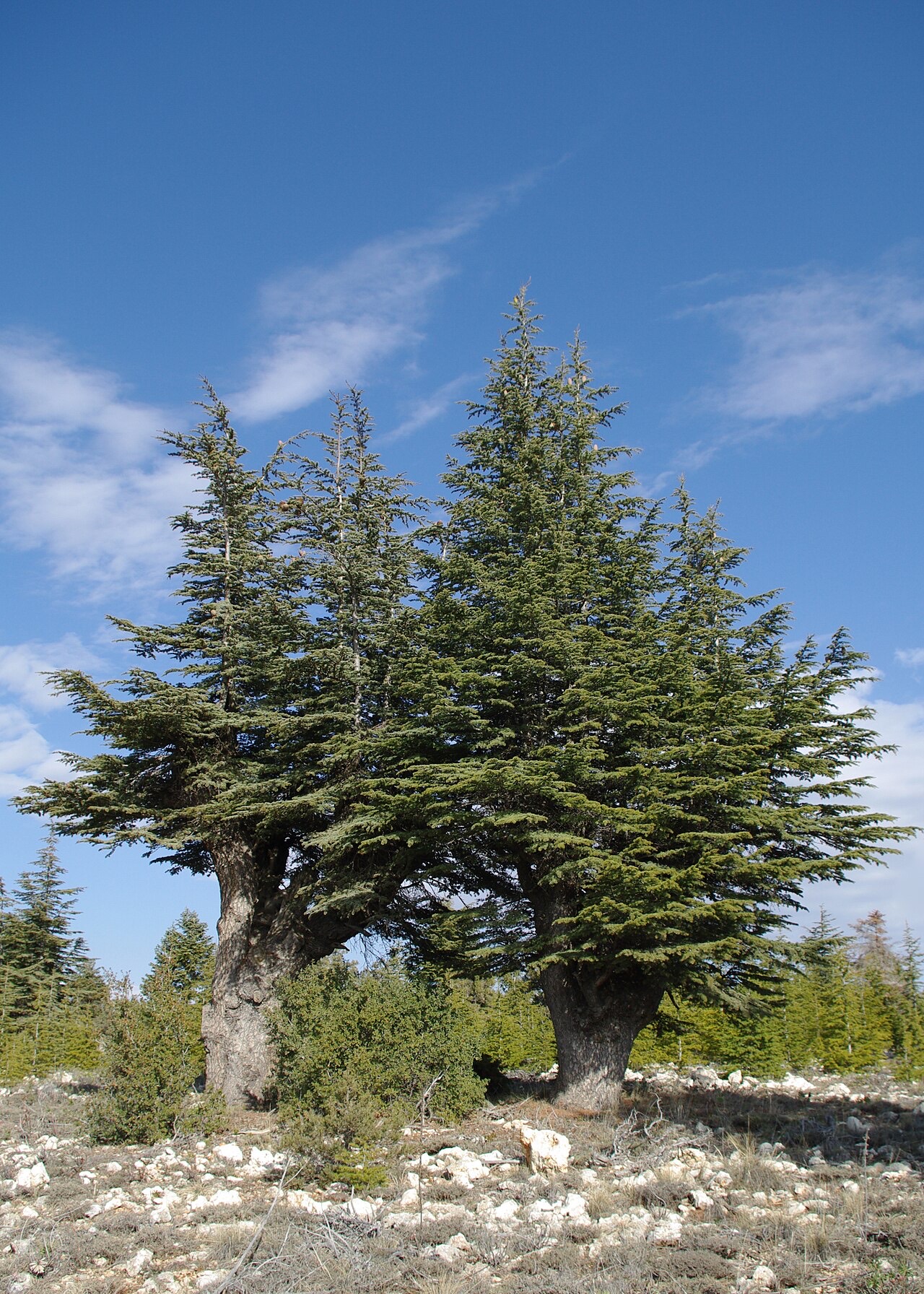

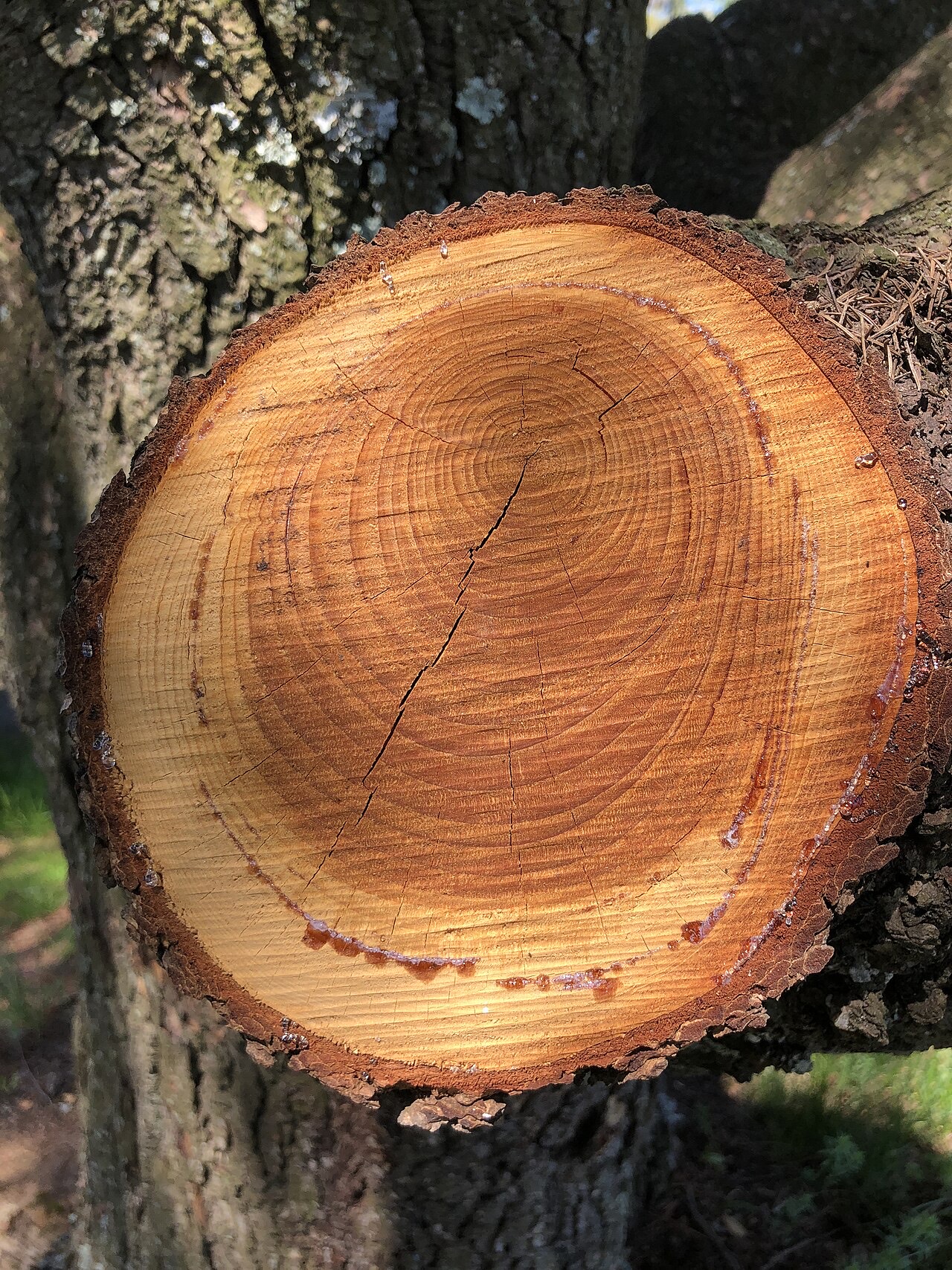

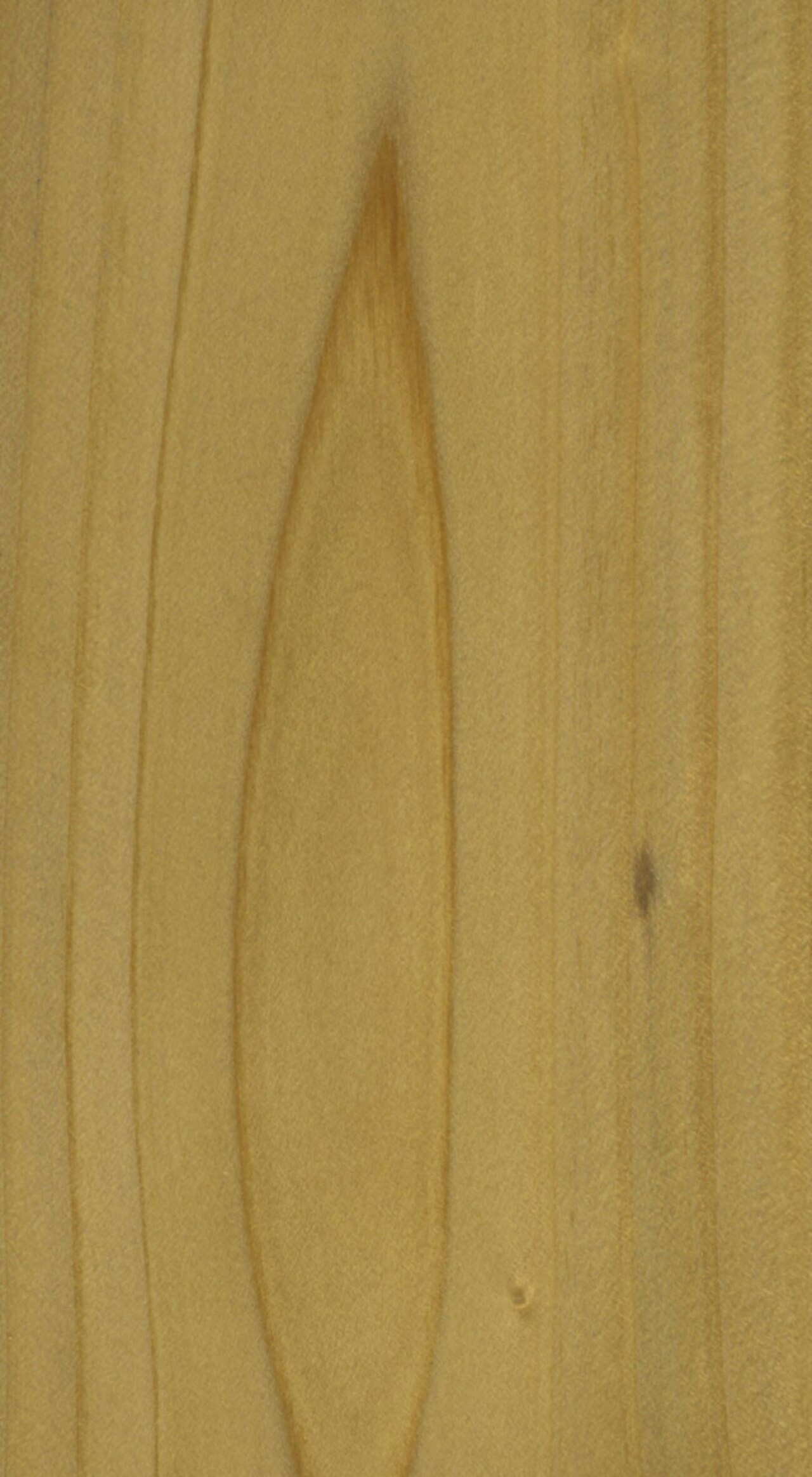

“Cedar” in furniture is usually a true cedar of the genus Cedrus — the cedar of Lebanon (C. libani) and Atlas cedar (C. atlantica) — but in the English timber trade “cedar” also covers unrelated trees: western red cedar (Thuja plicata), eastern red cedar (Juniperus virginiana, the “pencil cedar”), and Spanish cedar (Cedrela odorata), used for cigar boxes and drawer linings. When identifying a piece, it matters which one you have.
Identification. Heartwood from light brown to reddish, sapwood cream; clear annual rings; a medium, slightly coarse texture; a characteristic, lasting scent — the hallmark, still present in a hundred-year-old piece. Relatively soft (a fingernail leaves a mark), and inclined to small checks along the grain.
Working and restoration. Easy to work, it takes coarse carving well and glues well. Its natural oils repel moths and insects — which is why it was used to line the insides of wardrobes and chests, and why it usually appears in furniture as an interior part (drawer sides, a cabinet back) under a more precious wood. In restoration, do not seal the interior with a thick varnish — the scent and the natural repulsion are part of the value. It marks easily; small dents can be raised with steam.
In the workshop. Cedar comes to us mainly in two places — the interior lining of wardrobes and linen chests of the 19th and early 20th centuries, and “eastern” chests and cabinets (Syria, Lebanon, Turkey), sometimes with mother-of-pearl. When the scent has faded after decades, a gentle rub of the interior with fine paper brings it back — the oils are through the thickness of the wood, not only on the surface. Woodworm almost never attacks cedar, but it does attack the softer wood around it — so an infestation in a cedar-lined cabinet usually starts in the back or the legs.
Historical background
The cedar of Lebanon is the famous building timber of the Bible — the beams of the First Temple and the royal palaces came from Lebanon under the agreement between Solomon and Hiram, king of Tyre. The Egyptians and the Phoenicians built ships and coffins of it; the scent and the resistance to decay made it the wood of storage chests throughout the Mediterranean. Thousands of years of felling left only a few protected groves in Lebanon, and the tree became the national emblem of the country.
Related
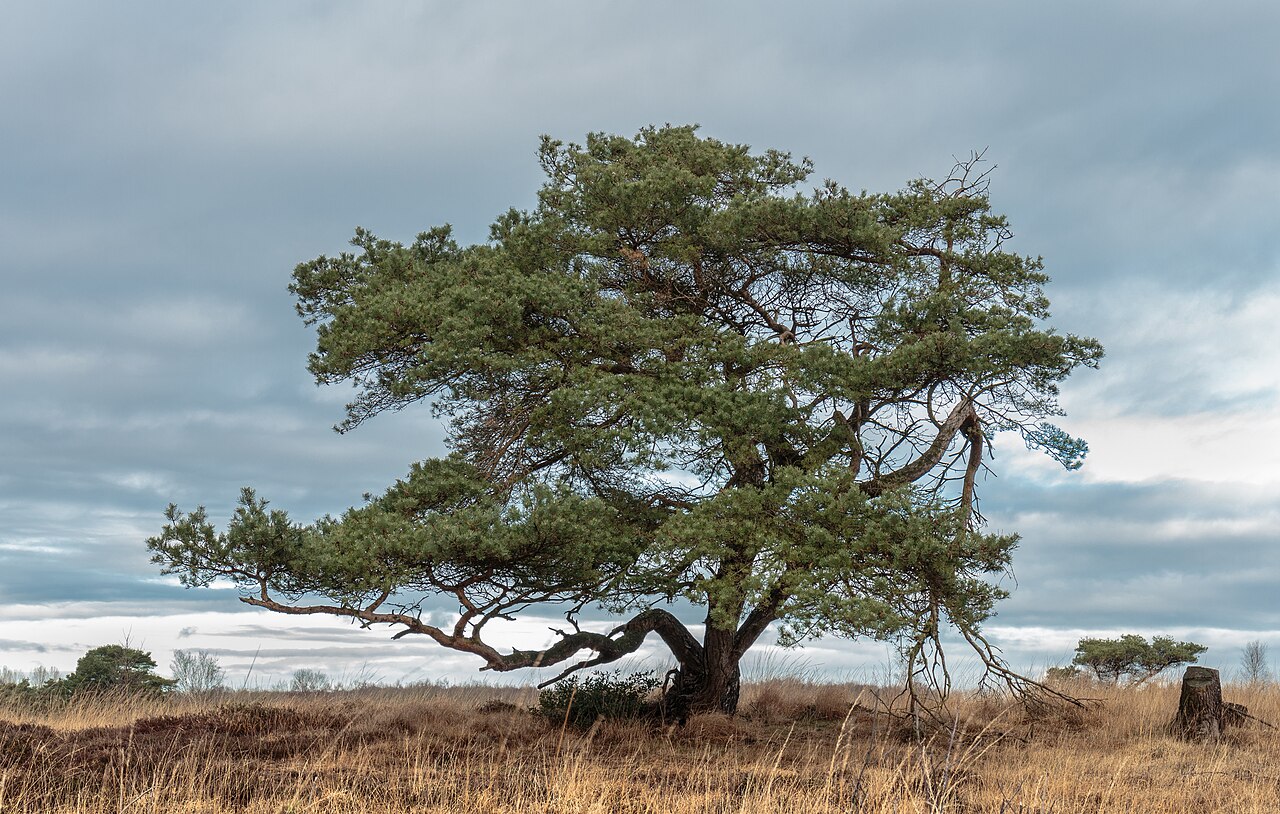
Scots pine
A relatively light softwood, with clear rings and knots. Common as a structural wood, in backs, in drawers, and under veneer in European furniture.
Woodworm
A beetle whose larvae bore tunnels in wood. Fresh frass under the furniture means an active infestation that needs treatment at once.
Humidity and temperature — the quiet enemy
Antique wood “breathes” and responds to changes in humidity. The Israeli climate poses a double risk: a dry summer that shrinks and splits, and a damp winter that swells drawers and joints. Keep relative humidity at 45%–55%, keep furniture out of a direct air-conditioner blast and away from a window in strong sun, and avoid placing it against a damp exterior wall.
Identifying your wood
Antique furniture in Israel is often oak, walnut, mahogany, beech, or a wood faced with veneer. A hardwood (oak, walnut) is more durable and takes restoration well; a softwood and veneer need a lighter hand. A quick sign: heavy weight and tight grain point to a hardwood. Do not sand hard before you know what it is — thin veneer can be sanded away entirely.
Have a piece of furniture and you are not sure what you are looking at?
A few photographs and a short description — and we will get to know your piece. No obligation.
Send photos for a restoration assessment